
Last updated November 21, 2026
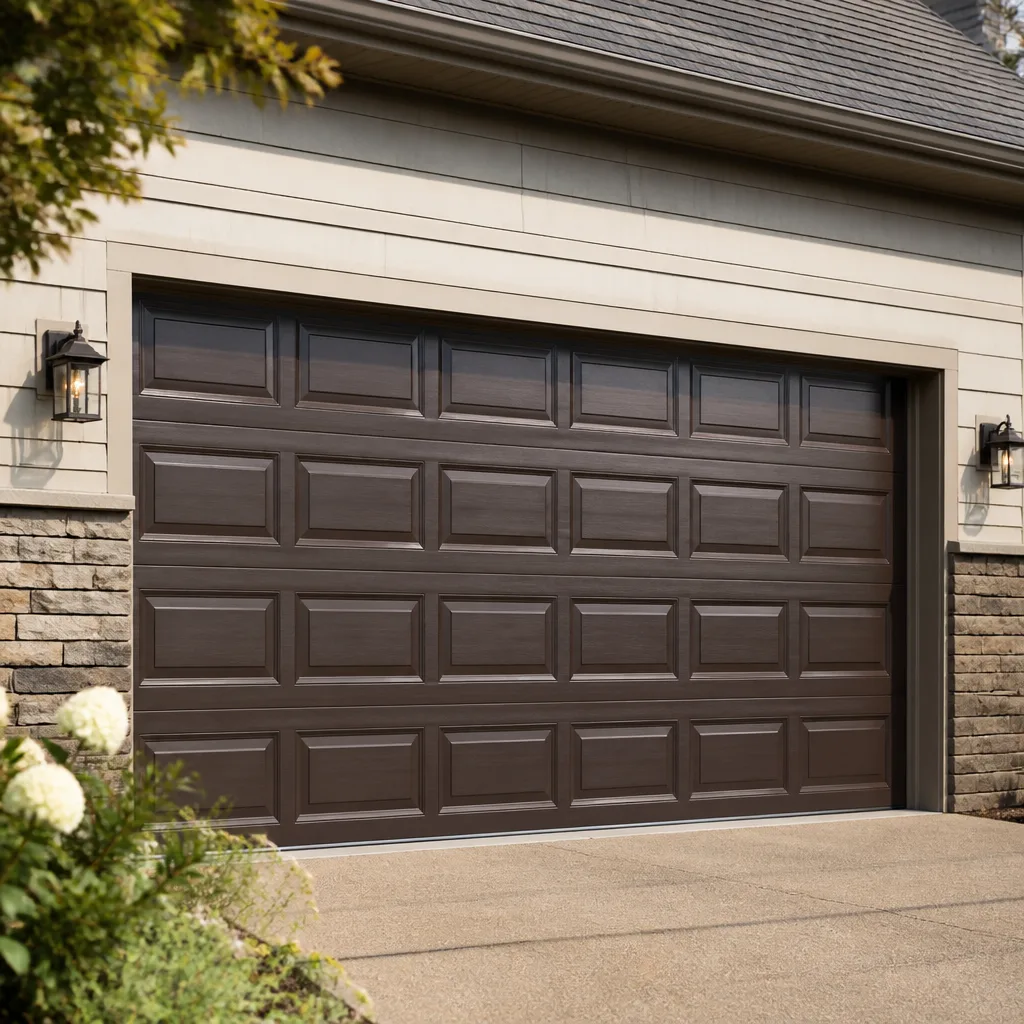 Raised-panel steel
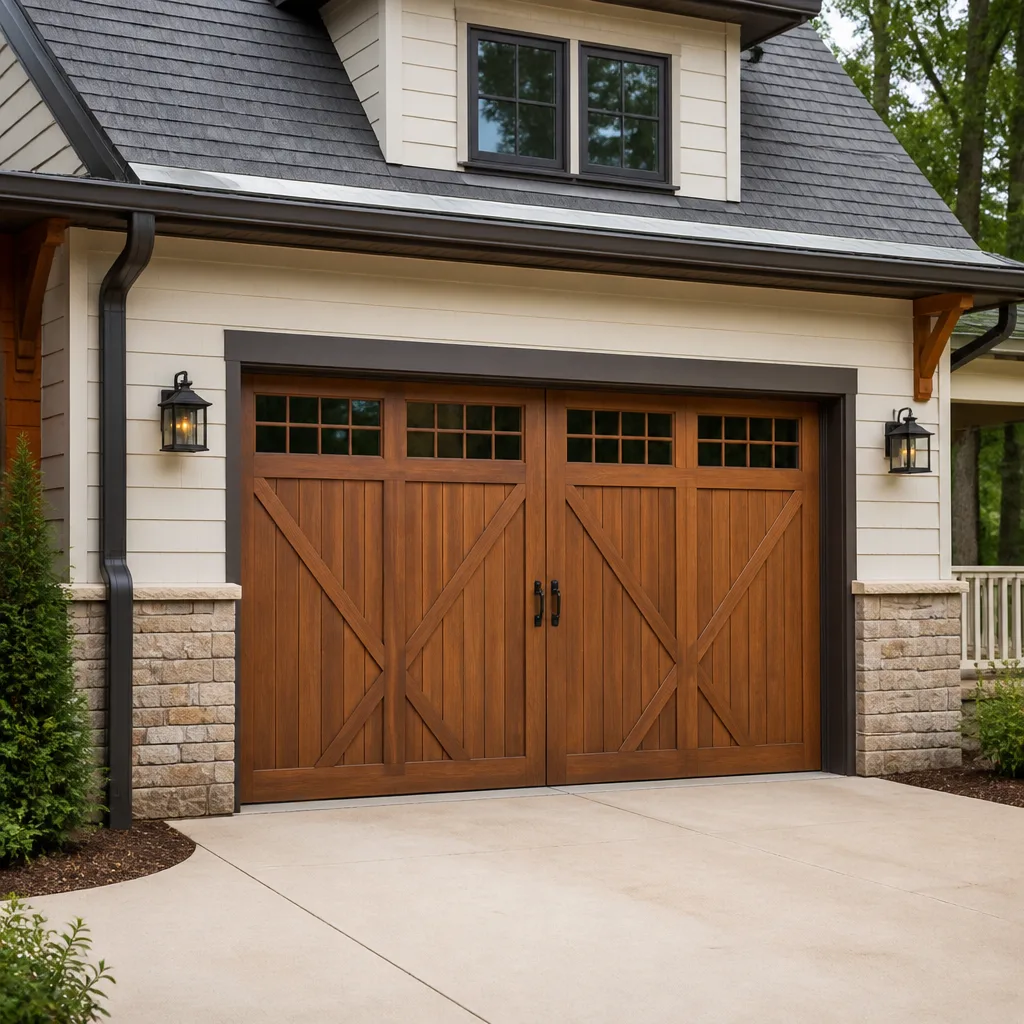 Carriage house
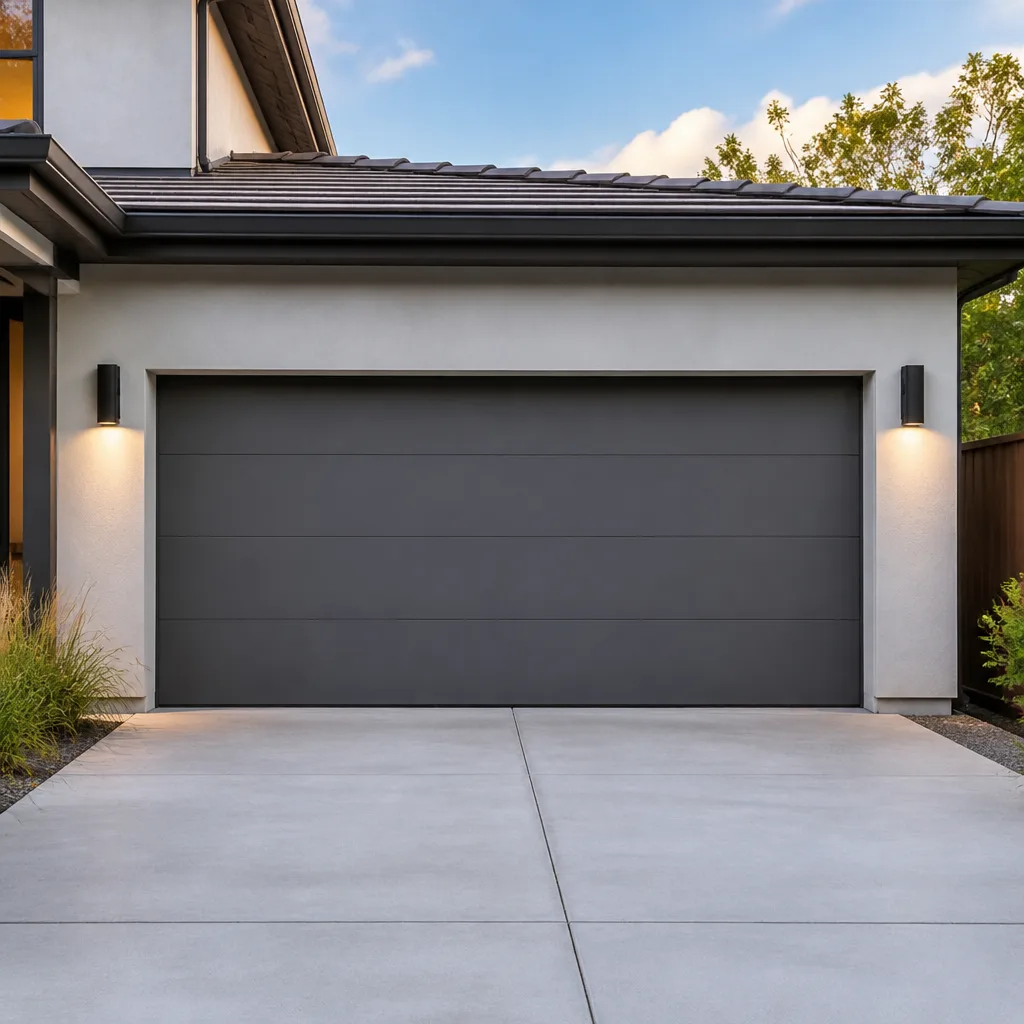 Modern flush
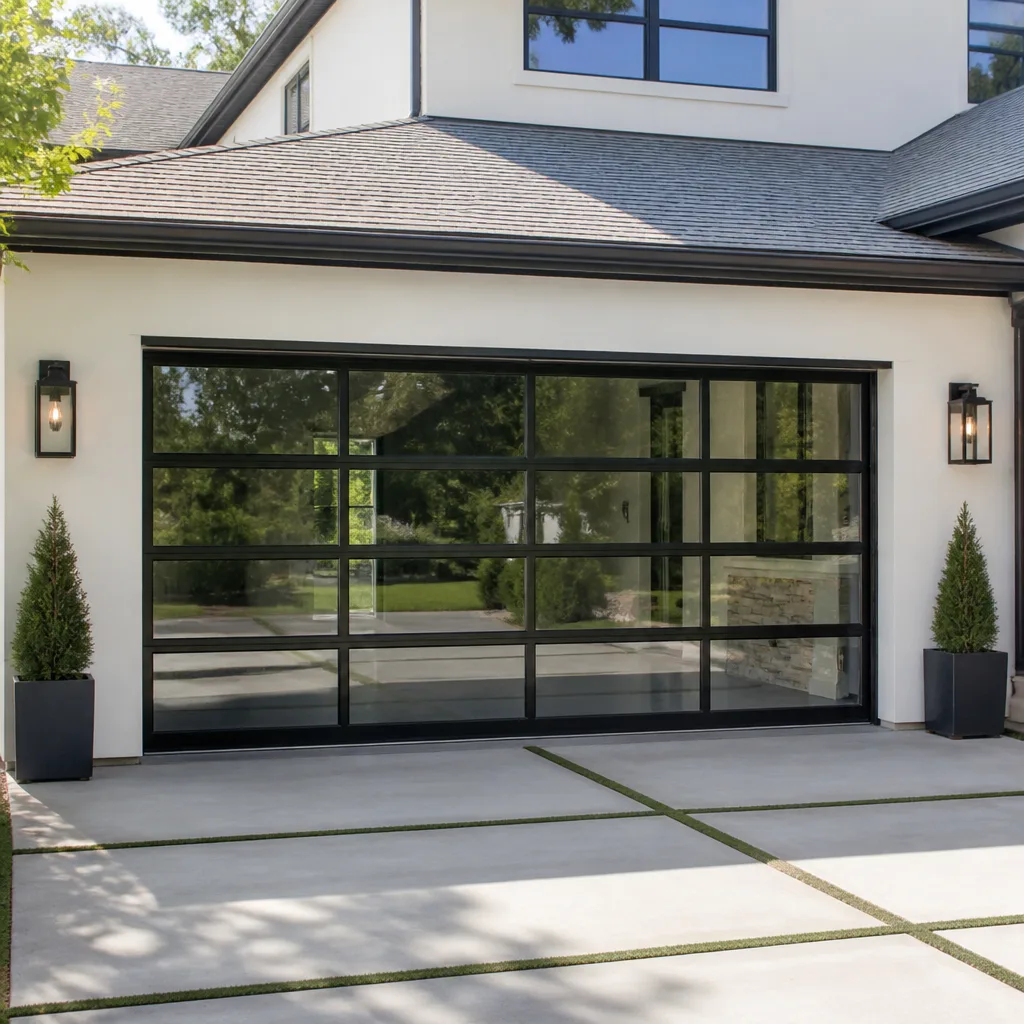 Full-view glass
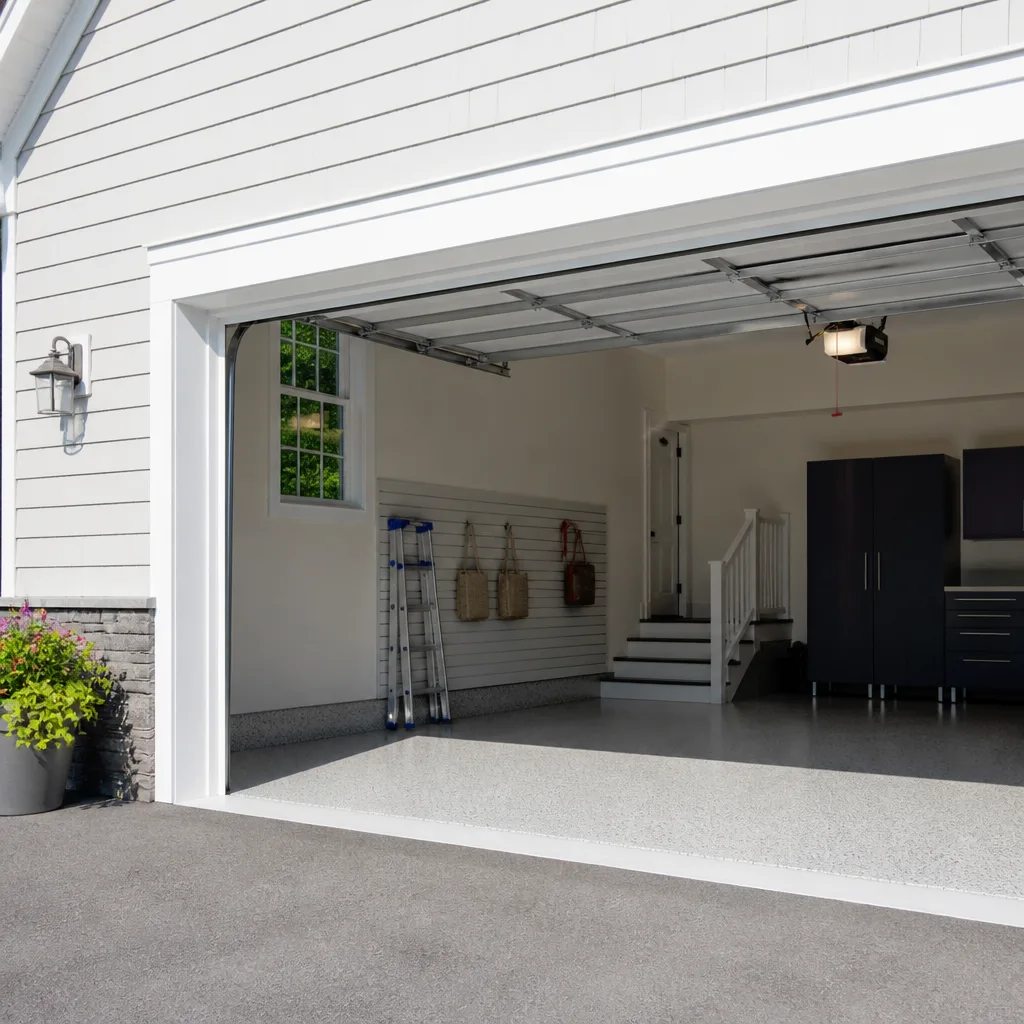 LiftMaster openers
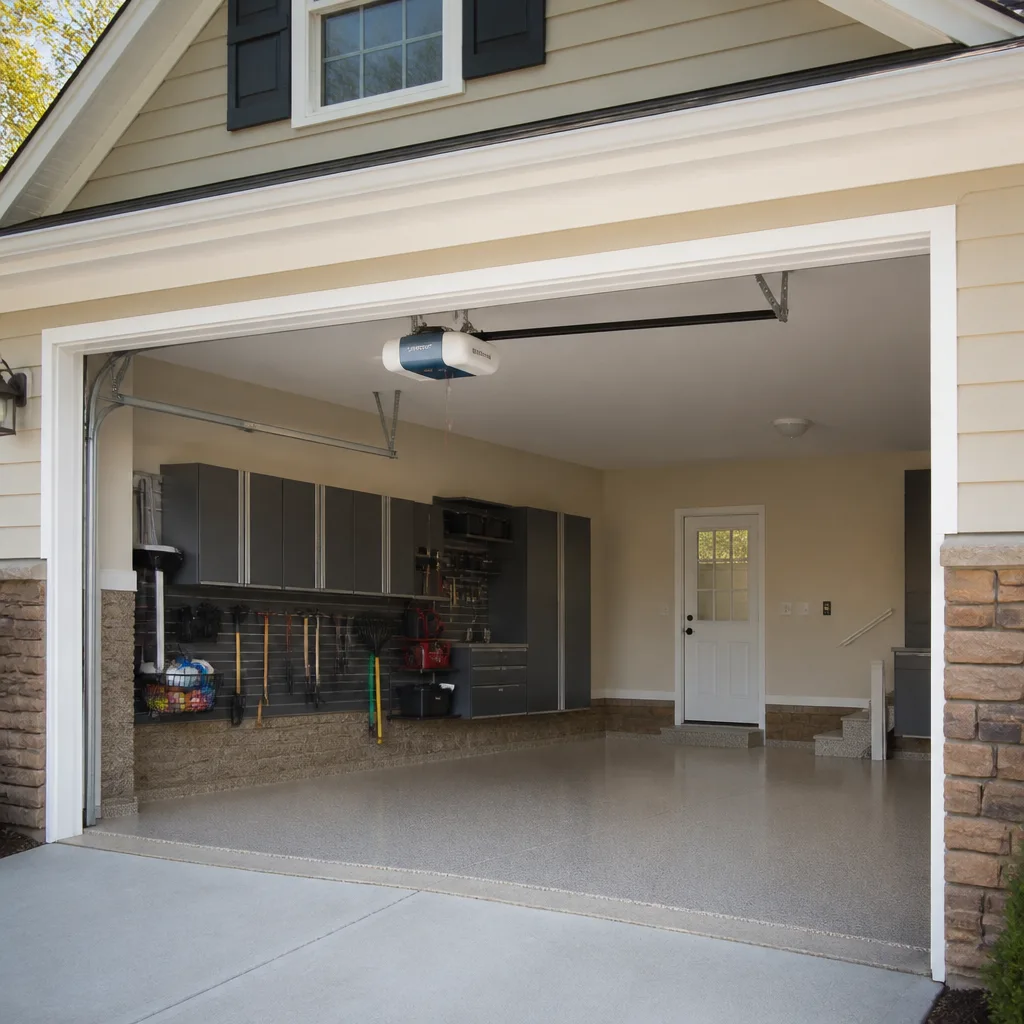 Chamberlain openers
Full 25-point door and opener safety check with every visit - springs, cables, rollers, tracks, and your LiftMaster or Chamberlain opener included
You get a price before we start. It does not change when the pro arrives.
Get your free estimateSeasonal Garage Door Care for Long Island City: Year-Round Homeowner’s Guide
Winter gets blamed for every garage door failure in New York, and that blame is mostly misplaced. By the time a torsion spring snaps in January, the damage was already underway months earlier, when late-summer humidity settled into the cables and started the rust cycle that makes metal brittle by the time temperatures drop. Long Island City sits in one of the toughest microclimates in the five boroughs: river moisture to the west, hard freezes in the gaps between buildings, and older concrete garage pads that move with every thaw. What follows maps the right maintenance task to the right month, because this neighborhood doesn’t have one garage door season. It has four, and each one attacks a different part of the system.
Quick Answer
Garage door care in Long Island City follows a four-part cycle tied to local conditions: humidity and heat work on cables and openers in summer, weatherstripping and seals need attention before the first fall freeze, cold snaps stress torsion springs and overload opener motors in winter, and frost heave knocks tracks out of alignment in spring. Check cables for rust in July and August, replace bottom seals in September, watch spring behavior in January and February, and inspect track alignment in March and April. A short inspection once each season prevents most of the emergency calls we see.
Styles & brands we work with
- Raised-panel steel
- Carriage house
- Modern flush
- Full-view glass
- LiftMaster openers
- Chamberlain openers
Table of Contents
- Summer: Humidity, Cable Rust, and Opener Thermal Cutoff
- Fall: Weatherstripping Timing and Bottom Seal Fit
- Winter: Spring Brittleness and Why the Door Feels Heavier
- Spring: Frost Heave and Track Realignment
- Year-Round: Protection Near the East River Waterfront
- Brand-by-Brand Seasonal Notes
- Common Mistakes to Avoid
- When to Call a Professional
Summer: Humidity, Cable Rust, and Opener Thermal Cutoff
Summer is the quiet season for garage door failures and the loudest season for the conditions that cause them. Long Island City garages are mostly un-air-conditioned, and that matters more than most homeowners realize. A garage attached to a brick rowhouse or tucked under a low-rise building traps heat and moisture together. Relative humidity inside those spaces climbs through July and August, and the steel cables that run alongside the springs are the first components to notice.
Here’s the mechanism in plain terms. Cables are wound steel, and wound steel holds moisture in the gaps between strands. Once surface rust begins, it doesn’t stay on the surface. It works inward, thinning the cable from the core outward. A cable that looked fine in June can be noticeably weakened by October. You won’t see the damage from the floor, and you shouldn’t go looking for it up close either. What you can do safely is a visual check from a standing position, without touching anything under tension.
- Look along each cable for a reddish-brown tint or a fuzzy texture where it meets the drum.
- Run a hand along the door’s bottom edge to feel for uneven wear or a seal that’s pulling away.
- Listen for a grinding or scraping sound during the first few inches of travel and note when it occurs.
- Check that the opener’s safety reverse still works by placing a small object in the door’s path.
Opener behavior changes in summer too. Modern openers from LiftMaster and Chamberlain include thermal protection that pauses the motor when it gets too hot. On a 95-degree day, an older opener in a hot garage can hit that cutoff after two or three cycles in a row. If your door stops mid-travel on hot afternoons and works again later, the motor isn’t failing. It’s protecting itself. Frequent cutoffs still point to a motor under strain, though, and that usually traces back to a door that’s out of balance. We see this often in Long Island City, where the same opener serves a door through both a humid summer and a hard winter. If your opener is cycling off on warm days, garage door opener repair can tell you whether it’s the motor, the logic board, or the door itself.
Fall: Weatherstripping Timing and Bottom Seal Fit
The right window for bottom seal and weatherstripping replacement in Long Island City is roughly the four weeks before the first hard freeze. Rubber stays flexible while the air is mild, which means a new seal seated in September or early October will conform to uneven concrete and hold that shape. Seal installed in December arrives stiff, sits on the surface instead of settling into it, and tends to pull loose by February. Timing is the whole trick with this task.
Why does seal fit matter so much here? Alley surfaces in Long Island City vary enormously. Some garage pads are original concrete poured under older buildings, and they’ve settled into gentle slopes and shallow dips over the decades. A flat, rigid seal rides over those dips and leaves gaps. Gaps let in cold air, water, and road grit, and they let heat out of the garage in winter. On the door itself, weatherstripping along the sides and top does the same job, and it wears faster than most people expect.
What to check in fall, in order:
- Bottom seal contact: close the door and look for daylight underneath. Any light means the seal isn’t meeting the floor.
- Side and top weatherstripping: look for cracks, flattening, or sections peeling away from the frame.
- Door balance: disconnect the opener and lift the door halfway by hand. It should hold its position without drifting.
- Hinge and roller condition: squeaks in fall often signal dry or worn rollers that will only get worse in the cold.
A worn bottom seal is a cheap, fast fix when scheduled. Left alone through a winter, it becomes a larger problem: water gets under the door, freezes, and puts pressure on the panel edge. That’s how a seal replacement turns into a panel repair by March. For uneven alley floors, a slightly thicker or more compressible seal usually seats better than a rigid one. If your door has never sat flush on its pad, the local pros we work with can tell you whether a seal swap is enough or whether the door needs adjustment first. Scheduling garage door repair before the cold arrives is always simpler than doing it in January.
Winter: Spring Brittleness and Why the Door Feels Heavier
If your garage door feels noticeably heavier in January and February, that isn’t your imagination and it isn’t a failing opener. Cold makes steel less ductile. Torsion springs wound from steel lose flexibility as temperatures drop, and the change in how the door lifts is real. At 20°F, a door that balanced perfectly in October can take measurably more force to raise. The spring hasn’t broken. It’s just working against the cold.
That extra load goes straight into the opener motor. Openers are built with a certain lifting margin, and in cold weather they spend more of it. A LiftMaster or Chamberlain unit that’s in good shape usually handles the difference fine. An older opener, or one already near the edge of its capacity, starts to strain. You’ll hear it in a slightly slower climb, or see the door hesitate at the start of travel. Squealing and groaning are worth noting; on those the motor is working harder than it should.
The brittleness question is the one homeowners ask about most. A spring that has weakened from months of humidity-driven stress is more likely to fail when cold season gives it nothing to work with. The rust cycle from summer and fall meets the brittleness of winter, and somewhere in that meeting a spring lets go. This is why January is a busy month for spring calls. It isn’t that cold weather causes the failure. It’s that cold weather exposes damage the earlier seasons created.
What you can safely do in winter:
- Watch for a door that feels heavier than it should. That’s information, not a task.
- Listen for changes in how the opener starts and finishes its travel.
- Keep the contact-reverse test going once a month.
- Clear snow and ice from the base of the door so the seal isn’t forced to lift against it.
What you should not do: adjust, wind, or unwind a torsion spring yourself. Springs and the cables that run with them are under high tension, and they can release without warning. Never use a screwdriver, pliers, or winding bars on a torsion assembly if you aren’t trained for it. This is the single most dangerous component on the whole door system. If a spring breaks, call a trained technician. Spring repair is a specialist’s job and one we handle directly for Long Island City homeowners, whether that’s an emergency call or a scheduled visit.
Spring: Frost Heave and Track Realignment
March and April are when the ground beneath Long Island City garage pads does its shifting. Frost heave is the common term: water in the soil freezes, expands, and pushes upward, then drops back as it thaws. Older concrete pads move with it. The pad itself might shift a fraction of an inch, but that’s enough to knock a door’s track out of square.
The result is subtle at first. The door scrapes along one side. A roller runs dry against the rail. You might hear a rhythmic click on the way up. Left alone, an out-of-alignment track wears the rollers fast and puts uneven load on the spring, which shortens its life. Track alignment is one of the more common spring-time services we get called for in Long Island City, and the cause is usually the pad, not the door.
Year-round check after the thaw:
- Look at the vertical track on both sides for obvious bends, gaps at the floor, or a loosened bracket.
- Watch the door travel slowly and see whether one edge touches before the other.
- Check the level at the bottom edge with a straight edge or short level.
- Note any new noise pattern and where on the track it happens.
- Leave the bolts on the track alone; alignment adjustments are a two-person job with the door under control.
Garage pads in Long Island City vary enormously, and older concrete under rowhouse garages and mid-rise buildings moves more than newer pours. If you’ve had a track realignment done once and the problem returns the following spring, the slab is telling you something. Sometimes a shim adjustment at the bracket gets you another full cycle. Sometimes it’s a sign the pad is moving too much for a repeat fix to hold.
Year-Round: Protection Near the East River Waterfront
Garages within roughly four blocks of the East River waterfront see a slightly different version of the same problems. Moisture is more constant, and the airborne grit that settles on metal is more aggressive. The process isn’t dramatic; it’s steady. Metal surfaces near the waterfront collect a film that holds moisture for longer than it would inland, and the corrosion cycle starts earlier in the year and stops later.
Homeowners near the waterfront should shorten their inspection intervals. If the rest of Long Island City checks cables and hardware once a season, waterfront garages benefit from a check every six to eight weeks. Think of it as inspecting the parts that touch bare metal instead of adding another product. Rust doesn’t need a lot of time if the moisture is there. The most useful steps:
- Check cables and hinge points for early rust film every couple of months.
- Look at spring coils for surface discoloration. It’s a leading indicator of stress.
- Keep the bottom seal clean of grit. Grit accelerates wear and holds moisture at the pad.
- Have roller and hinge lubrication done on schedule; dry metal corrodes faster.
- Ask your technician to look at the lower brackets, which sit closest to the pad and stay damp the longest.
Waterfront garages also benefit from keeping stored items off the concrete. Cardboard and fabric near the door hold moisture against the floor and create a damp pocket around the seal. Simple housekeeping, honestly, does more than any spray-on product.
Brand-by-Brand Seasonal Notes
Different brands have slightly different seasonal weak points, and knowing which one you own tells you where to look. Our technicians have up to 12 years of experience and are familiar with how each of the major manufacturers behaves through the four Long Island City seasons. Here’s what we’ve seen most often, brand by brand:
- LiftMaster openers: thermal cutoff is common on hot afternoons. If a LiftMaster stops mid-travel only when it’s hot, suspect motor load rather than the logic board.
- Chamberlain openers: same thermal behavior, and the safety-reverse sensors tend to need re-cleaning in fall when grit and leaves blow in.
- Craftsman openers: legacy units often show slower travel in winter as the motor loses margin under cold load.
- Raynor doors: spring and track behavior is predictable. Seasonal balance checks catch most issues before they become repairs.
- Clopay and Amarr doors: steel and composite panels expand and contract through the seasons; bottom seals and hinge fit need checking in fall and spring.
- Wayne Dalton and Genie: regular lubrication and annual opener checks keep these running smoothly through all four seasons.
The broader point is that seasonal care isn’t generic. The likely weak spot in a 15-year-old Craftsman opener differs from what you’ll see in a newer LiftMaster. If you’re not sure what brand you have, the model number is on the opener’s housing, and the door itself usually carries a small manufacturer label near the bottom panel or inside the frame. If your current opener is past its seasonal usefulness, garage door installation covers both replacing an opener alone and replacing the full door system.
Common Mistakes to Avoid
- Treating winter as the only season that matters. Every January failure was set up months earlier by summer humidity and fall seal gaps. Care has to start in July for winter to be uneventful.
- Replacing weatherstripping too late. A seal installed in December doesn’t get the mild air it needs to seat. Do it in September and early October in Long Island City.
- Ignoring a scraping track after the thaw. Frost heave is normal here, but an out-of-alignment track wears the rollers and springs fast. Get it checked in spring, not summer.
- Tightening track bolts by hand without knowing the right position. Track alignment is a two-person job that starts from a level check. Misalignment causes more damage than a slightly loose bracket does.
- Spraying lubricant on the springs. Springs need very little attention; a light film can help, but too much product attracts grit and turns into a paste. Check with a technician about what your springs actually need.
- Skipping monthly safety-reverse tests. The safety reverse is the door’s primary safety feature for anyone standing in the path. Test it once a month through every season.
- Running an older opener through winter overload. A door that feels heavy in January is giving a strained motor more work than it was built for. Fix the door before the opener fails.
See the difference
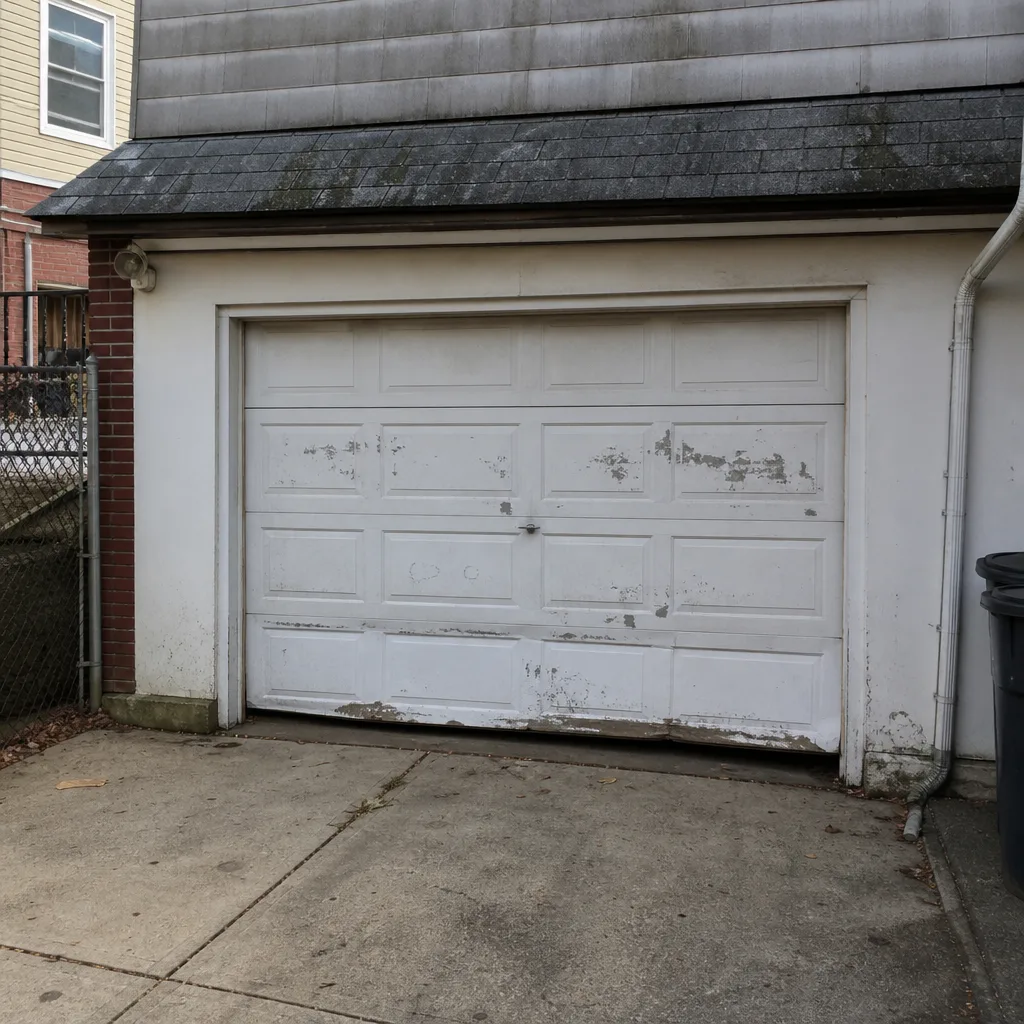 Before
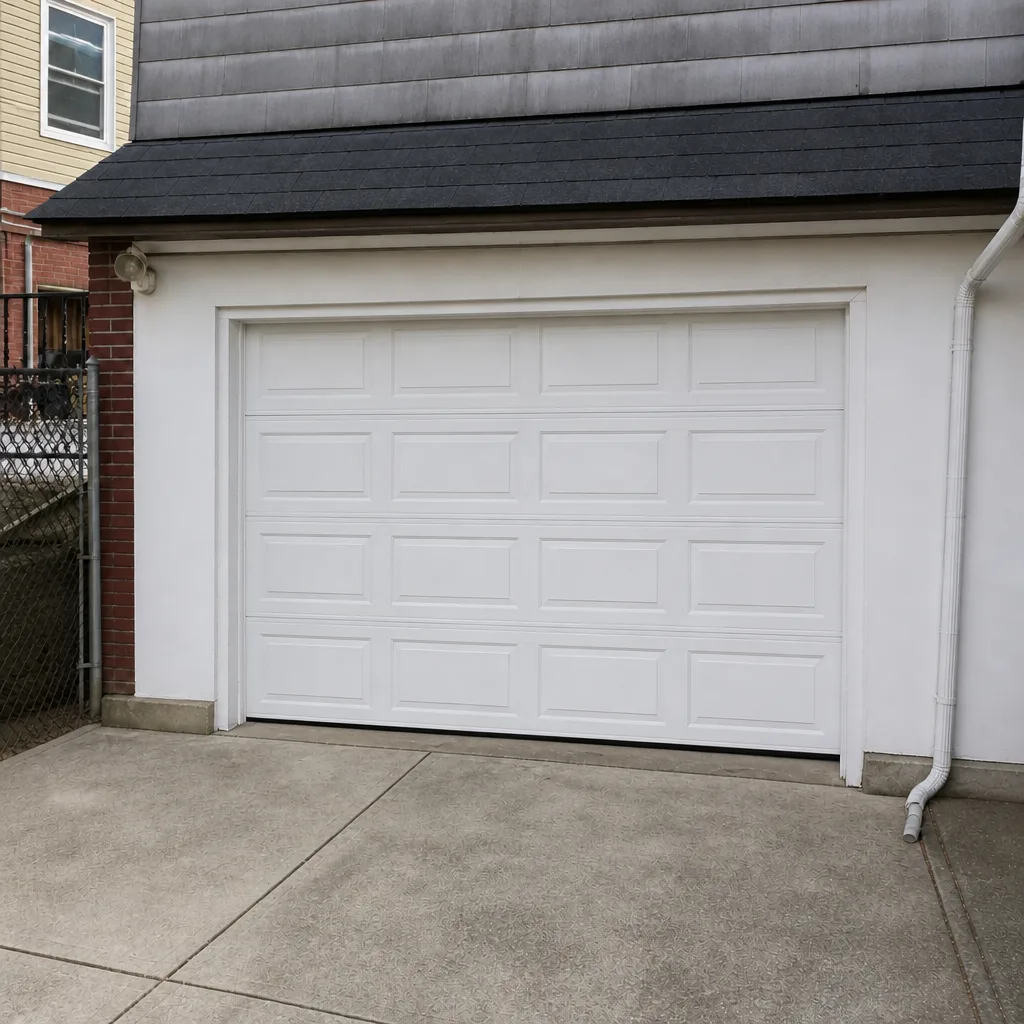 After
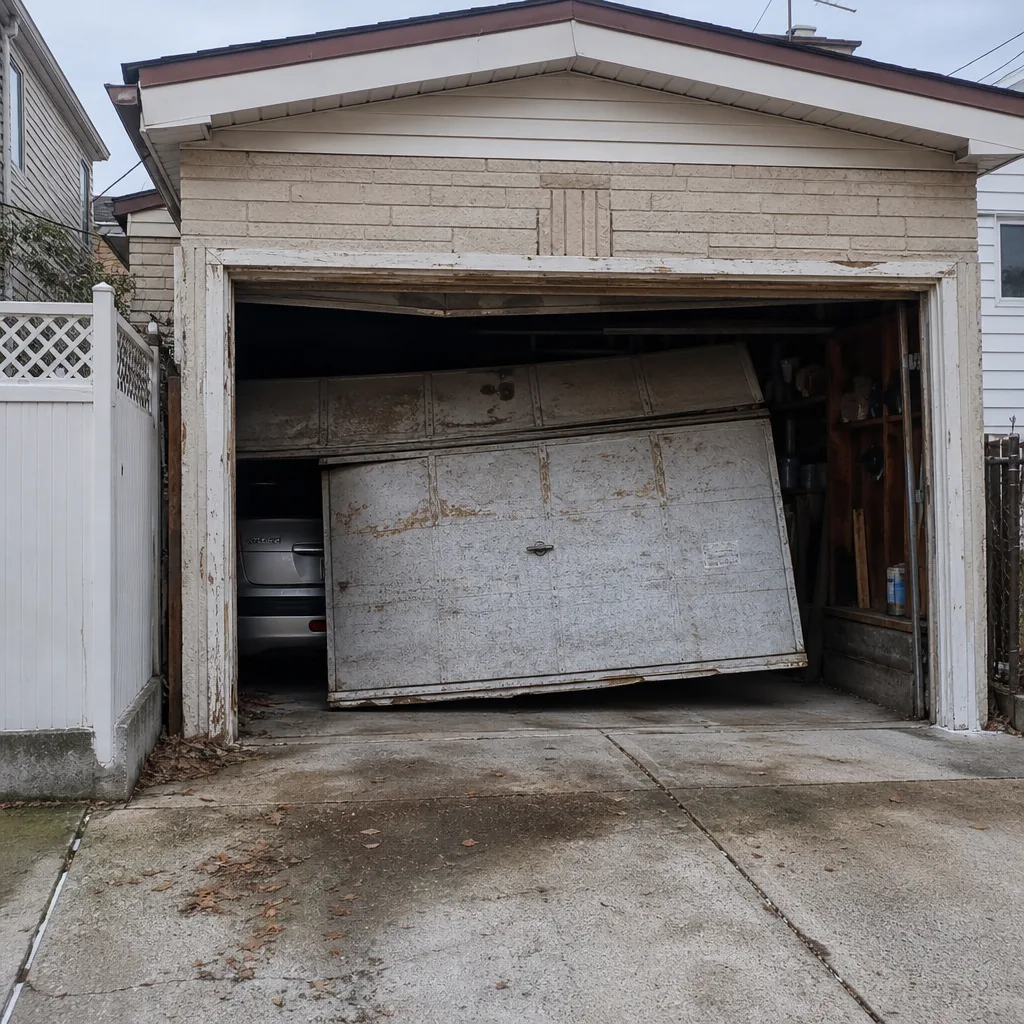 Before
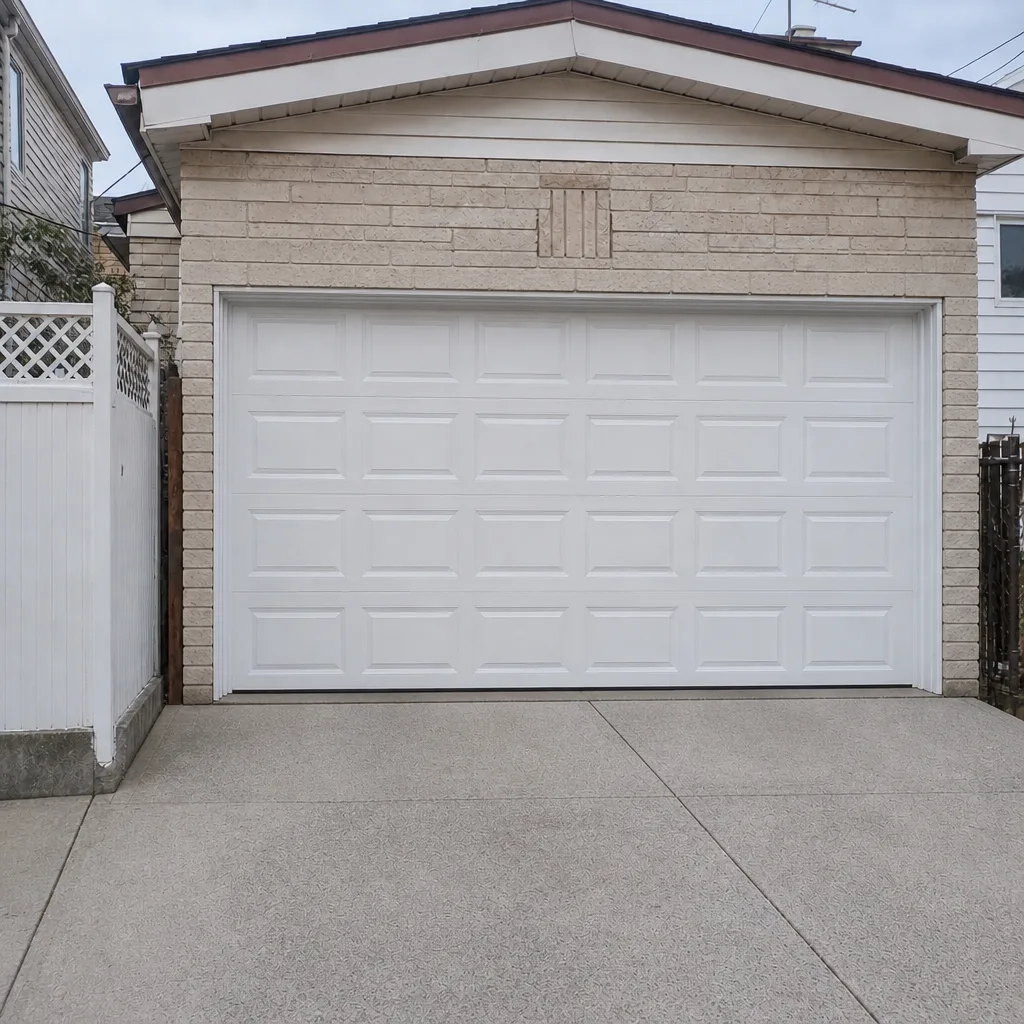 After
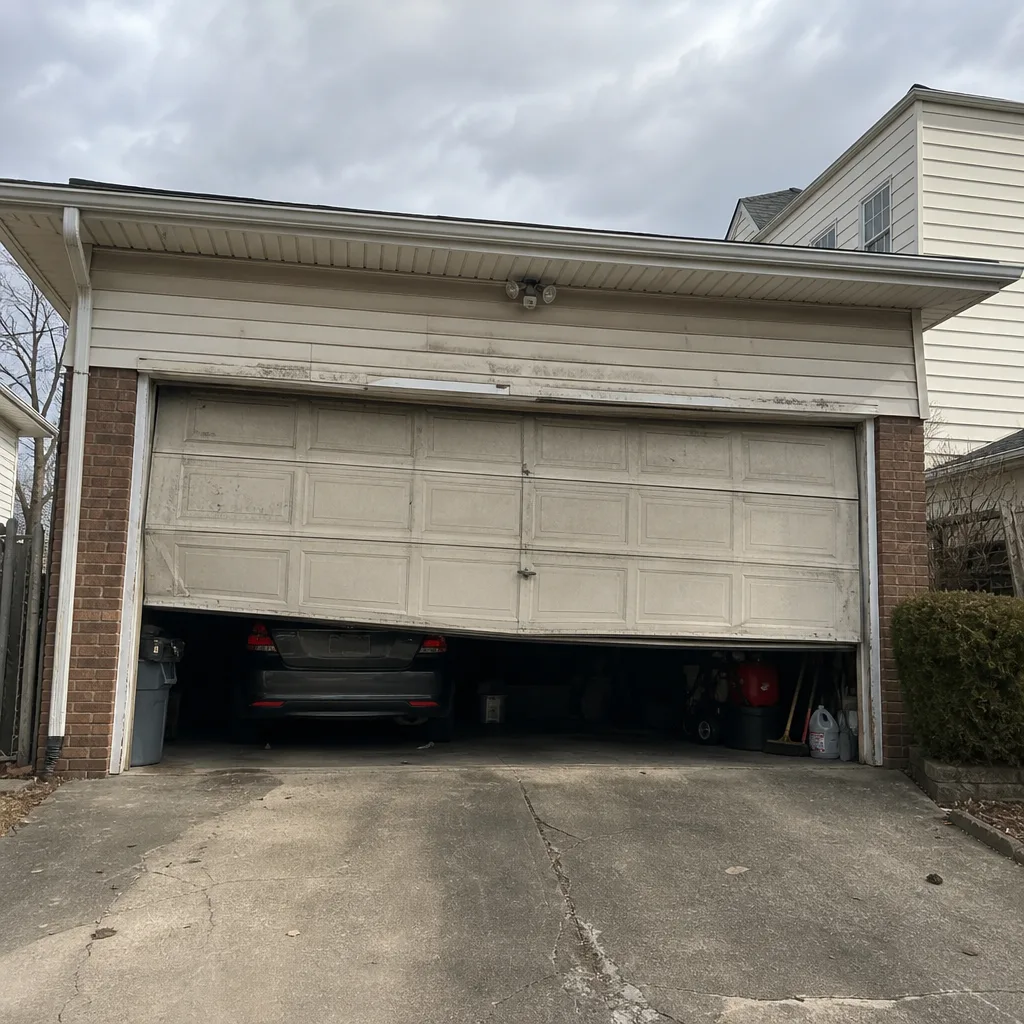 Before
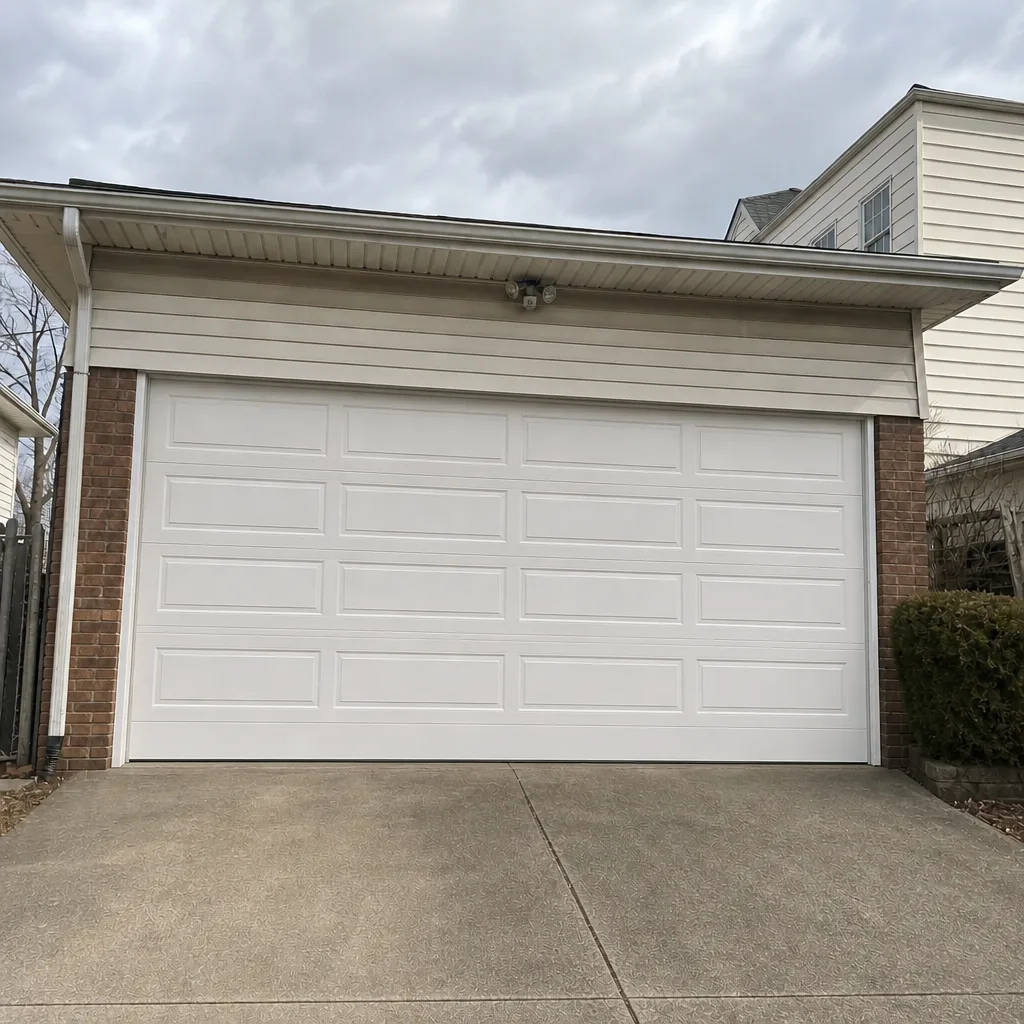 After
When to Call a Professional
Call for anything that involves a spring, cable, or track out of alignment, because those are under tension and can release without warning. Call when the door feels heavier in the cold than it did in fall, or when your opener begins to struggle at the start of travel. Call when a bottom seal won’t sit flat on an uneven Long Island City pad, and call when a scraping sound returns every spring after the thaw. Garage Door Repair Long Island City offers free estimates in Long Island City. Call (877) 549-7594. We answer 24/7. Fast dispatch from 7am to 7pm, Sunday through Friday. The local pros we connect you with are licensed and insured as their state requires, and the price is quoted and agreed before any work starts.
Frequently Asked Questions
Late September is the best single month for a full inspection in Long Island City, because it lands before the first freeze and after the worst humidity has passed. A second light check in March catches frost-heave issues early. If your garage is within a few blocks of the East River, run a cable-and-hardware check every six to eight weeks year-round.
Cold makes steel less ductile, so torsion springs work less efficiently at lower temperatures and the door takes more force to lift. The extra weight gets passed straight to the opener motor. If the door feels much heavier than it did in fall, have a technician check spring balance before the opener fails.
Yes. Modern LiftMaster, Chamberlain, and Genie openers include thermal protection that pauses the motor when it gets too hot. If your door stops mid-travel on hot afternoons and works again later, that’s the safety feature doing its job. Frequent cutoffs still point to a motor under load, so worth a diagnostic.
September or early October, before the first hard freeze. Rubber seats best while the air is still mild, and it needs to conform to Long Island City’s often-uneven garage pads. A seal installed in cold weather is stiffer and tends to pull loose by the following winter.
Yes. Torsion springs and the cables that run with them are under high tension, and they can release without warning. Adjusting, winding, or unwinding a spring is not a do-it-yourself job. Both spring repair and the cables that run alongside them belong with a trained technician.
No. Frost heave can move a pad back into place in some cases, but if the track was knocked out of square, it stays out of square until someone adjusts it. Running a door on a misaligned track wears rollers and loads the spring unevenly. Have the alignments checked each spring and get a free estimate if a track is scraping.
The Bottom Line
Garage door care in Long Island City follows four distinct stress periods, not one. Summer humidity starts the cable rust that makes springs fail in January. Fall is the only good window for seal and weatherstripping replacement. Winter brings cold-brittle springs and opener overload. Spring brings frost heave and track drift. Build those four checks into your year, watch your door’s behavior as the seasons change, and call a professional the moment a spring, cable, or track is involved. Garage Door Repair Long Island City can handle the full door system, springs, openers, panels, all eight major brands. Call (877) 549-7594 for a free estimate. We answer 24/7. Fast dispatch from 7am to 7pm, Sunday through Friday.
For anything outside this seasonal guide, start with Garage Door Repair Long Island City, which covers the full range of issues we see across the neighborhood.
Written by the team at Garage Door Repair Long Island City.