
Last updated November 21, 2026
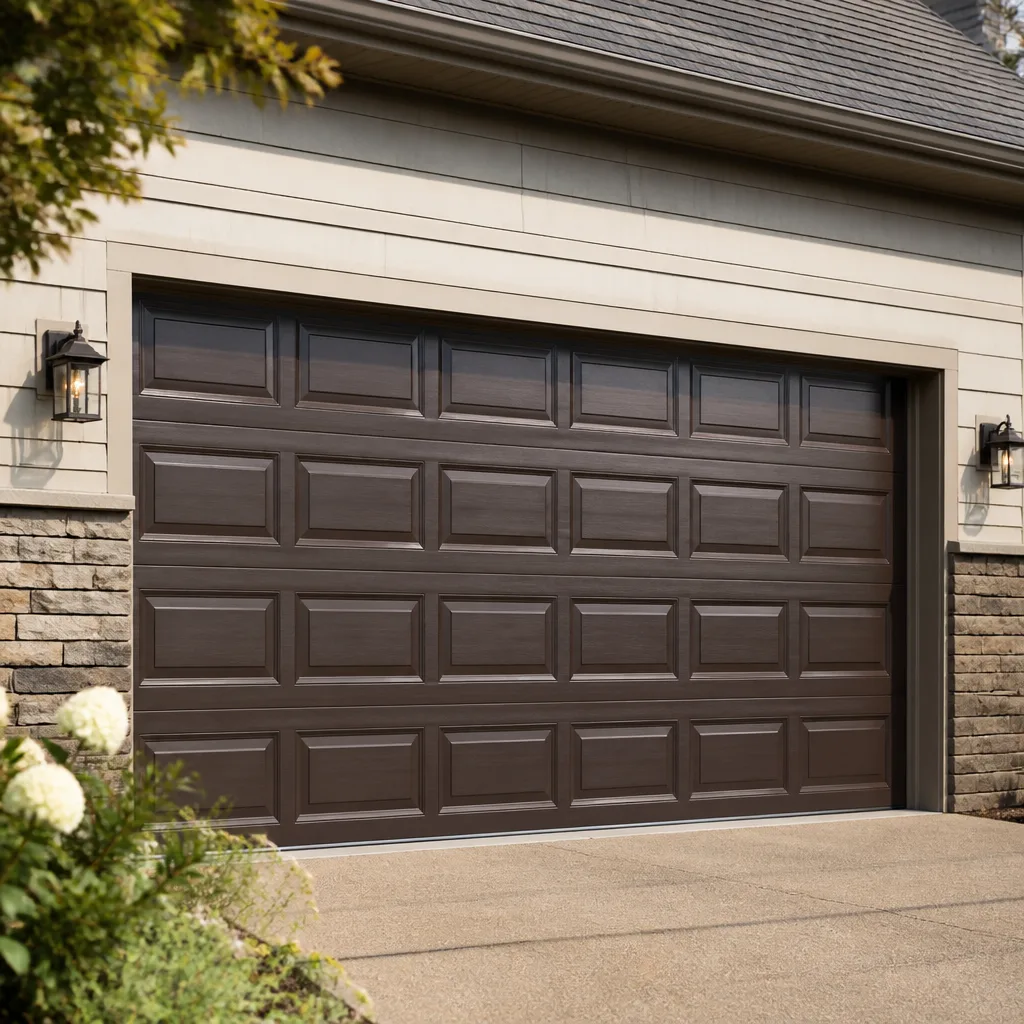 Raised-panel steel
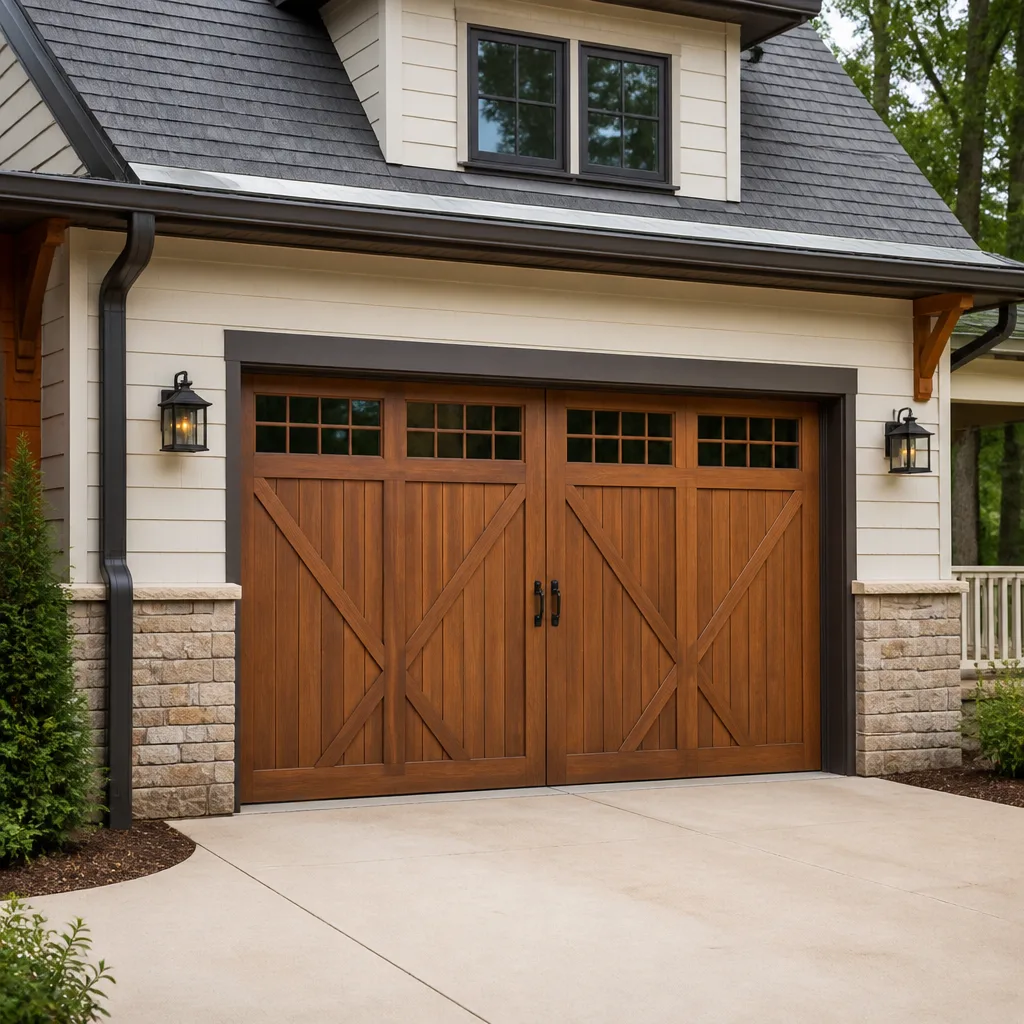 Carriage house
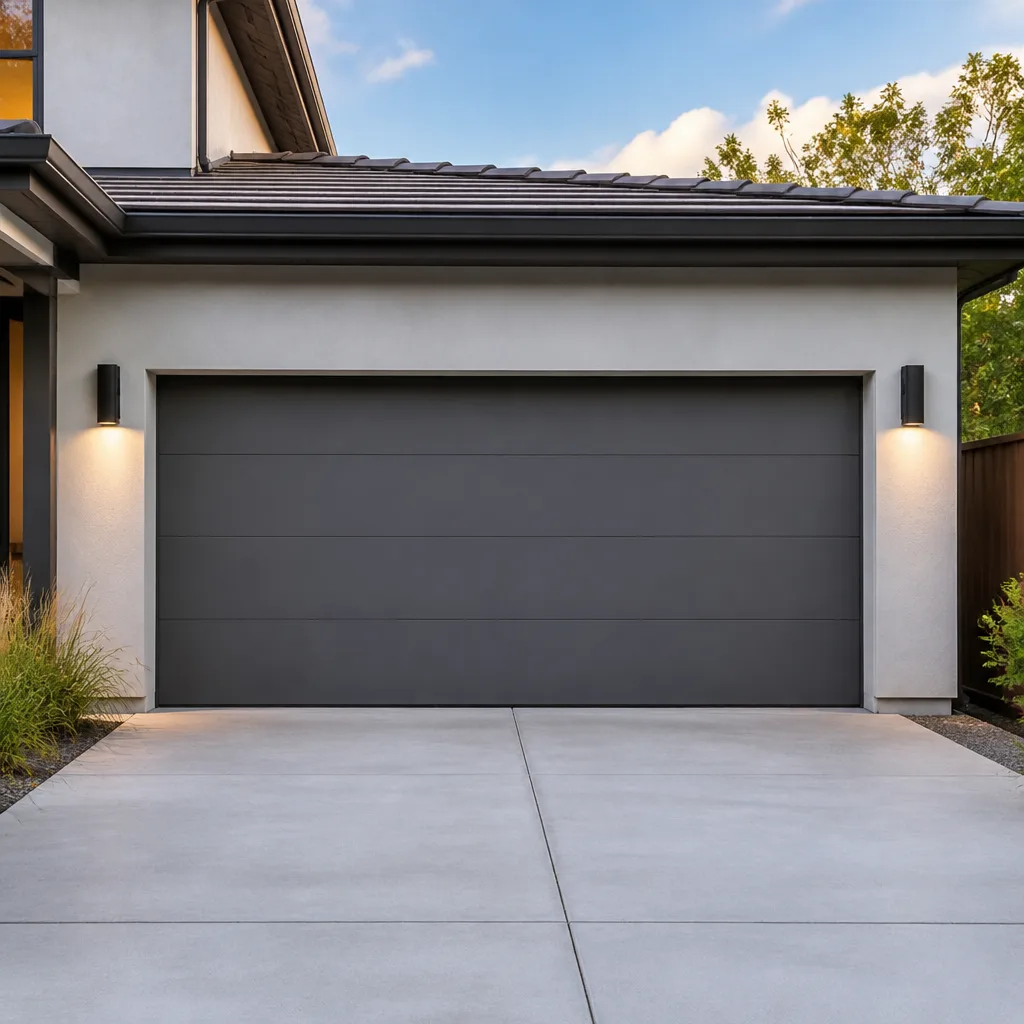 Modern flush
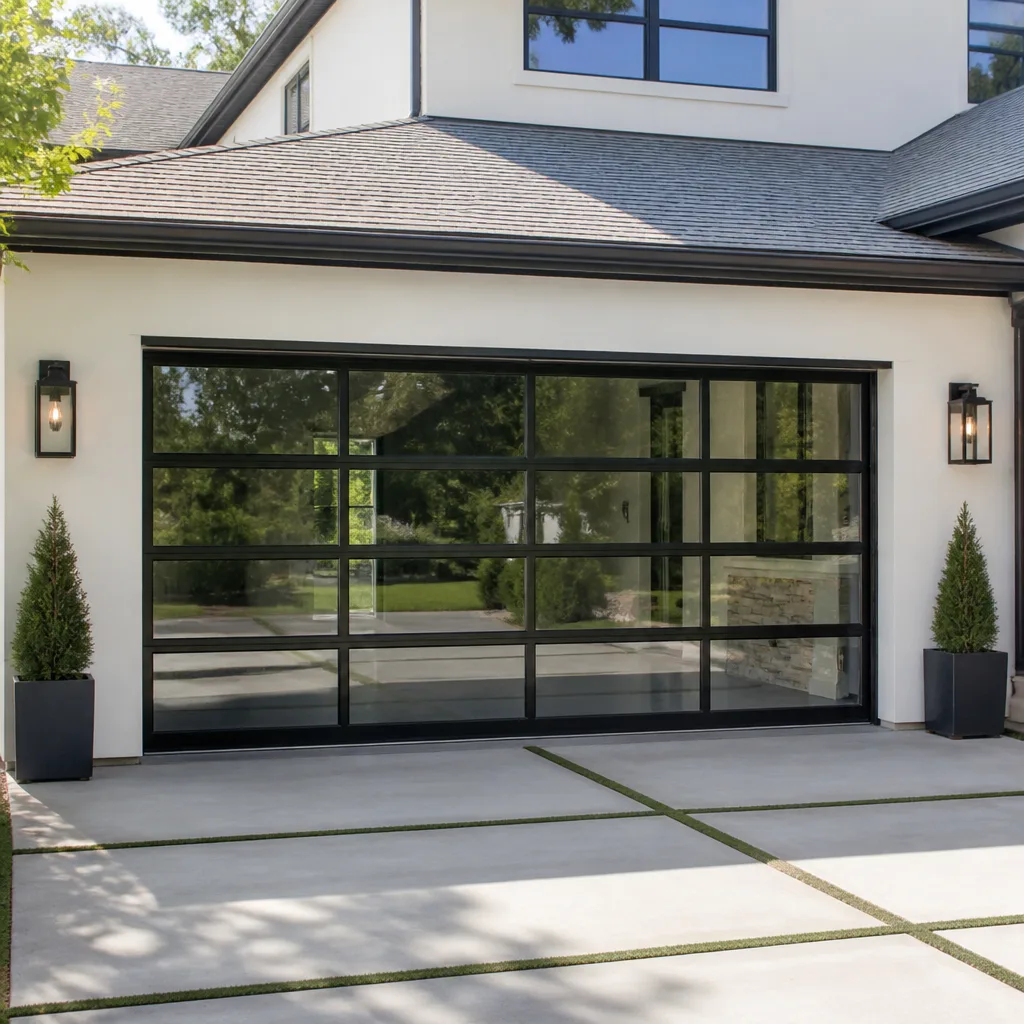 Full-view glass
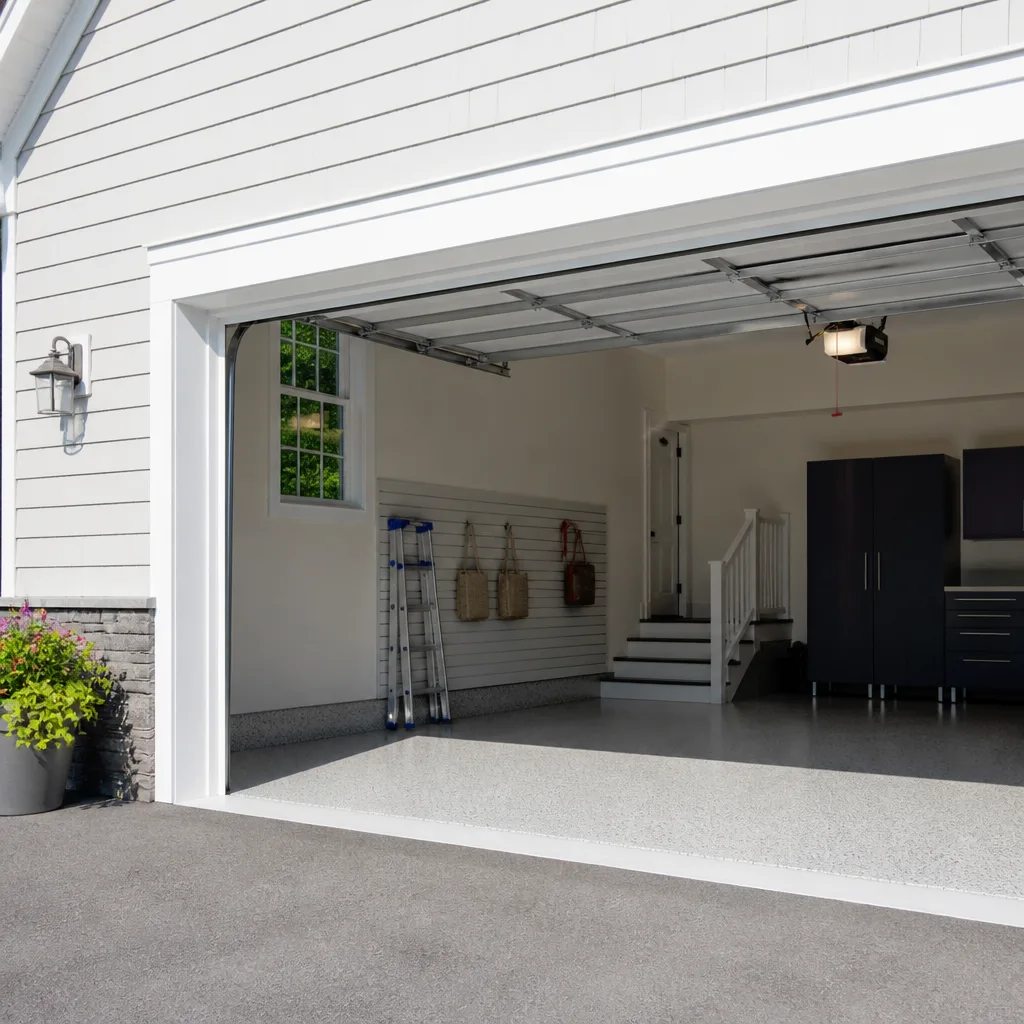 LiftMaster openers
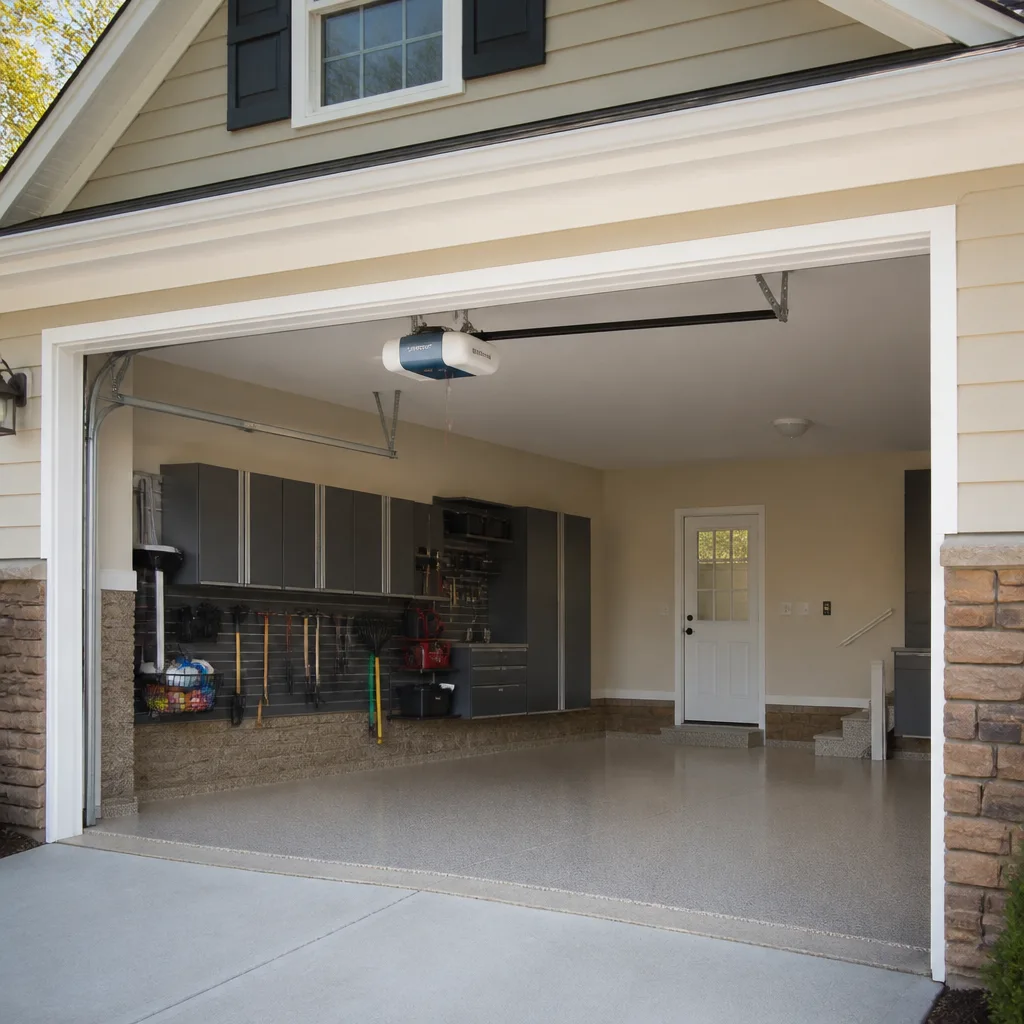 Chamberlain openers
Full 25-point door and opener safety check with every visit - springs, cables, rollers, tracks, and your LiftMaster or Chamberlain opener included
You get a price before we start. It does not change when the pro arrives.
Get your free estimateGarage Door Cost Breakdown: The Long Island City Homeowner’s Reference for 2026
A homeowner in Long Island City pulls up a national “average garage door repair cost” page, gets a written quote that runs a few hundred dollars above it, and assumes something is off. Usually nothing is off. Long Island City is one of the most expensive labor and access markets in the country, and every quote you get here carries costs a national average was never built to include. What you need isn’t a lower number. It’s a breakdown clear enough to tell a fair quote from an inflated one, line by line. That’s what this reference does.
Styles & brands we work with
- Raised-panel steel
- Carriage house
- Modern flush
- Full-view glass
- LiftMaster openers
- Chamberlain openers
Quick Answer
Garage door work in Long Island City generally runs 15-25% above national averages, driven by NYC labor rates, permit filing, DOB inspection scheduling, and the parking and access realities of a dense Queens neighborhood. A typical spring replacement lands roughly $260-$430 for a single torsion spring, with a matched pair around double that, while a full new door installation can run $2,100-$6,800 depending on door type and building configuration. Every price here is an estimate; the written quote you receive sets the final number.
Table of Contents
- Why Long Island City Garage Door Prices Run Higher
- Line-Item Cost Table: The 10 Most Common Repairs
- NYC-Specific Cost Adders: Permits, Inspections, Parking
- Parts Markup: What’s Fair and What’s Gouging
- New Door Installation Cost by Building Type
- How to Read a Quote: Bundled vs. Unbundled Labor
- Spring Repair: Why This Is the Job You Don’t DIY
- Repair or Replace? The Decision Framework
- Common Mistakes to Avoid
- When to Call a Professional
- Frequently Asked Questions
- The Bottom Line
Why Long Island City Garage Door Prices Run Higher
Long Island City garage door pricing sits 15-25% above national averages, and that gap is structural, not opportunistic. Understanding the four forces behind it lets you look at a quote and see whether the number makes sense.
Labor rates. NYC metro labor runs higher than most of the country. A technician’s time in Long Island City costs more to deploy than the same time in a suburban market, and that shows up in every line of a quote.
Parts availability. Stocking and delivering specialty parts – a specific Amarr panel, a Wayne Dalton Torquemaster assembly, a Raynor track section – carries a premium in a dense urban market. When a part has to be ordered and staged for a Queens delivery, that cost is real.
Parking and access. This is the add-on no national average accounts for. In Long Island City, the service van often can’t pull up to the door. Technicians may work from a loading zone, a garage entrance off a busy avenue, or a walk-up with equipment carried by hand. That time and effort gets built into the quote.
Permit and inspection costs. NYC requires filings and DOB inspection scheduling on door replacements in many situations. That paperwork carries a cost, and a contractor who skips it is exposing you to a compliance problem later.
The takeaway: a quote that looks 20% above a national figure is often exactly where a Long Island City job should land. A quote well below that range is the one worth questioning.
Line-Item Cost Table: The 10 Most Common Repairs
Here’s the 2026 pricing picture for the repairs we see most often in Long Island City. Every figure is a typical estimate range, and every job gets a written quote before any work starts. Your final price is set by that quote, not by this table.
- Torsion spring replacement (single): $260-$430. A matched pair is usually replaced together and runs about double.
- Extension spring replacement (single): $220-$380. Pairs similarly double.
- Lift cable replacement: $180-$320 per side, often done as a pair.
- Roller replacement (set): $150-$280. Nylon rollers run toward the upper end.
- Hinge replacement: $120-$240 depending on how many are worn.
- Panel replacement (single section): $350-$750 depending on door model and brand.
- Opener repair (board, gear, or limit switch): $220-$480.
- Opener replacement (belt or chain drive, installed): $480-$950.
- Track realignment or replacement: $200-$550 depending on damage.
- Weather seal and bottom rubber replacement: $140-$320.
These are Long Island City numbers, and they reflect current NYC labor and access conditions. A repair that looks simple on paper – a single broken spring – is still a high-tension job that requires the right tools and training. We handle torsion and extension spring work as a core part of what we do, and our technicians have up to 12 years of experience reading the exact failure before they quote it.
NYC-Specific Cost Adders: Permits, Inspections, Parking
These are the line items that separate a Long Island City quote from a national average, and the ones homeowners most often misread as padding. They’re not padding. Here’s what each one actually covers.
- Permit filing fees. Door replacement work in NYC often requires a filing, and the fee depends on the scope and the building. Most cities require a permit for a full door replacement, so ask your city’s building department what applies to your address before you approve a quote. A contractor who builds this into the bid is being transparent, not expensive.
- DOB inspection scheduling. When a permit is involved, a Department of Buildings inspection gets scheduled. That coordination time is real, and it’s why replacement timelines in Long Island City can stretch beyond a quick repair.
- Parking and access surcharges. In a dense Queens neighborhood, van access isn’t guaranteed. A quote that includes an access allowance is telling you the truth about how the job will run. One that doesn’t may surprise you mid-job.
- Building configuration premiums. An attached row house with limited headroom, a freestanding garage behind a property line, or a condo common-area installation each present different access and setup challenges. That’s reflected in the price.
- Material delivery and staging. Large door sections don’t fit through a standard residential entrance. Staging and delivery carry a real cost in Long Island City that a suburban quote wouldn’t include.
When you get a quote that lists these separately, you can see exactly what you’re paying for. When a quote rolls them into one number with no explanation, you can’t. That’s the difference between a legible quote and a mystery quote.
Parts Markup: What’s Fair and What’s Gouging
Every contractor marks up parts. The question is where fair markup ends and gouging begins. Here’s how to read the parts line on a Long Island City quote.
What’s fair. A reasonable markup covers sourcing, staging, warranty handling, and the technician’s time to get the right part on site. For springs, cables, and rollers, a markup in the range of 30-50% over the contractor’s cost is standard and defensible. For openers, a markup of 20-40% is typical because the unit cost is higher and the sourcing is more specialized.
- Fair markup on springs and cables: roughly 30-50% over contractor cost, reflecting sourcing and safe handling.
- Fair markup on openers: roughly 20-40%, since the unit is a major component with its own warranty chain.
- Fair markup on panels: varies by brand and lead time – a special-order Amarr or Wayne Dalton panel can justify more than a stock part.
- Red flag markup: a parts line that is two or three times the retail cost with no explanation is worth questioning. Ask what the markup covers.
- Red flag bundling: a single “parts and labor” line with no breakdown prevents you from evaluating either one.
We work across eight major brands – LiftMaster, Chamberlain, Genie, Clopay, Amarr, Wayne Dalton, Craftsman, and Raynor – and we can name your exact brand and part on the quote. That transparency is how you compare a parts line apples to apples. Our technicians have up to 12 years of experience sourcing and installing these components, and we’re happy to explain the markup on any line.
New Door Installation Cost by Building Type
New door pricing in Long Island City depends heavily on the building, not just the door. Here’s how the three most common configurations compare in 2026.
Attached row house with limited headroom. Typical estimate: $2,100-$4,200. Limited headroom constrains the door style and the spring type, and access through a narrow property line adds setup time. This is a common Long Island City configuration, and it rewards a contractor who measures precisely before ordering.
Freestanding garage. Typical estimate: $2,400-$4,800. Access is usually easier, but the structure may need reinforcement for a heavier door, and the electrical run for a new opener can add cost.
Condo or common-area installation. Typical estimate: $2,800-$6,800. This is the highest range because it often involves coordination with building management, parking and loading arrangements, and sometimes shared-wall or structural considerations. A Raynor or Clopay commercial-grade door may be specified by the building, which changes the parts line.
These ranges are for the full installation – door, hardware, and opener where included – and they’re estimates. A written quote after a measure sets the real number. For the full installation picture, see garage door installation. For repair work on an existing door, garage door repair covers the options in more detail.
How to Read a Quote: Bundled vs. Unbundled Labor
The single most useful skill in comparing Long Island City garage door quotes is reading the labor line. A bundled quote hides the labor inside a single number. An unbundled quote separates parts, labor, and any adders so you can compare like with like.
- Look for a separate labor line. If labor is folded into a single total, ask for it broken out. A contractor who can’t or won’t itemize is telling you something.
- Check what the labor covers. Is removal and disposal included? Is the opener reconnection included? These matter.
- Ask whether permits are included or extra. The answer changes the total significantly in Long Island City.
- Confirm the parts brand and model. A Clopay panel is not the same as an unbranded one. The quote should name it.
- Ask about the warranty in writing. No specific warranty terms are assumed here – ask what’s covered and get it in writing.
- Check the access allowance. If parking or access is a factor, it should be on the line, not added later.
Once you’ve read two quotes this way, the comparison becomes honest. For opener-specific work, garage door opener repair explains what the opener line should include. And if you want to see the full scope of what we cover, start with Garage Door Repair Long Island City.
Spring Repair: Why This Is the Job You Don’t DIY
Springs are the most commonly failed component on a garage door, and they are the most dangerous to touch. A torsion spring stores enormous energy under tension. A spring that lets go while someone is working on it can cause serious injury. We say this plainly because it’s worth saying: this is not a component to test or replace yourself.
What you can safely do is observe. Here’s what to check without touching anything:
- Does the door feel unusually heavy when you lift it by hand from a closed position? That can indicate a broken or weakened spring.
- Is the door crooked, or does one side lag behind the other as it rises?
- Have you heard a sharp bang from the garage with no other explanation?
- Is there a visible gap in the spring coil?
Any of these points to spring trouble. Our technicians handle both torsion and extension spring repair as a core offering, and they know the failure patterns on every major brand. If a spring has failed, we can diagnose and often get you back in service the same day. For the wider repair picture, the repair page covers what’s involved. For the diagnostic visit itself, call (877) 549-7594. We answer 24/7. Fast dispatch from 7am to 7pm, Sunday through Friday.
Repair or Replace? The Decision Framework
Not every door failure means a new door, and not every repair is worth doing. Here’s a practical framework for deciding in Long Island City, where replacement costs carry the permit and access adders that repairs usually don’t.
Lean toward repair when: one component has failed (a spring, a cable, a roller set), the door itself is structurally sound, and the panels are intact. Most of the jobs in our cost table above are repair jobs, and they’re typically the right call.
Lean toward replacement when: the door has multiple failing components, the panels are dented or rusted through, the track is bent beyond realignment, or the door is so old that parts are hard to source. Replacement also makes sense when you’re already facing a major installation of a new opener and the door itself is at end of life.
The middle path: a single panel replacement can extend the life of an otherwise sound door, especially when the panel matches the original brand. This is where brand familiarity matters – knowing whether your door is a Clopay, Amarr, or Wayne Dalton determines whether a matched panel is available.
A written measure and quote is what turns this framework into a decision. We can quote both a repair and a replacement on the same visit so you can compare directly.
Common Mistakes to Avoid
- Chasing the lowest national-average number. A national average ignores Long Island City labor and access realities. Use local ranges as your benchmark, not national ones.
- Accepting a bundled quote without a labor breakdown. If you can’t see the labor line, you can’t compare it. Ask for it itemized.
- Skipping the permit question. Most cities require a permit for full replacement, so ask your city’s building department what applies before work begins. A contractor who brushes this off is exposing you to a compliance problem.
- Letting a spring job wait. A broken spring puts full load on the opener and cables. Continuing to run the door accelerates damage elsewhere.
- Assuming markup is gouging. A 30-50% markup on springs is normal. Check the explanation before you walk away.
- Forgetting the access allowance. In Long Island City, parking and access are real costs. A quote that ignores them may surprise you mid-job.
- Not naming your brand. Ask whether the contractor can service your specific manufacturer. We handle Amarr, Wayne Dalton, Craftsman, Raynor, and the rest of the major brands by name, which matters for parts matching.
When to Call a Professional
Call when a spring has broken, when the door won’t open or close, when the opener runs but the door doesn’t move, when a cable has come off its drum, or when the door is crooked and binding. Call when you hear a sharp bang from the garage, when the door feels dangerously heavy by hand, or when a panel has been damaged badly enough to compromise the structure. These are all jobs that need a trained technician, and several of them are genuinely dangerous to test yourself. For Long Island City homeowners comparing quotes, we offer free estimates in Long Island City – call (877) 549-7594. We answer 24/7. Fast dispatch from 7am to 7pm, Sunday through Friday. Every price is quoted and agreed before any work starts, so there’s no invoice surprise at the end.
Frequently Asked Questions
Long Island City garage door work runs 15-25% above national averages because of NYC labor rates, permit filing, DOB inspection scheduling, parts staging, and the parking and access realities of a dense Queens neighborhood. These are real costs a national average was never built to include. Call (877) 549-7594 for an exact quote – estimates are free.
A single torsion spring replacement in Long Island City typically runs $260-$430, and a matched pair is usually replaced together at about double that. Extension springs run roughly $220-$380 per spring. The written quote sets the final price. Call (877) 549-7594 to get a free estimate on your specific door.
No. The written quote you receive after the site assessment is the price, and it’s agreed before any work starts. If something unexpected turns up during the job, we stop and re-quote with you rather than adding to the invoice afterward. That’s the whole point of a written estimate. Call (877) 549-7594 to schedule yours.
Often yes for repair work – same-day service is a regular part of what we do for Long Island City homeowners. We answer 24/7, with fast dispatch from 7am to 7pm, Sunday through Friday. For new installation and replacement, the job is measured, ordered, and scheduled, so those are booked rather than same-day. Call (877) 549-7594 to book.
In many cases yes, and the requirement depends on the scope and building. Most cities require a permit for a full door replacement, so ask your city’s building department what applies to your address. We can explain how we handle filing and inspection scheduling when we quote the job. Call (877) 549-7594 with questions.
The local professionals we connect you with are licensed and insured as their state requires, and our technicians have up to 12 years of experience. We service all eight major brands by name, from LiftMaster and Chamberlain to Amarr and Raynor. Call (877) 549-7594 for details on your job.
The Bottom Line
Garage door prices in Long Island City are higher than the national average for real, explainable reasons: labor, permits, inspections, parts staging, and access. Once you can see those line items, a quote stops being a number to negotiate and becomes a document to read. Compare local ranges, not national ones. Ask for a labor breakdown, name your brand, and confirm what the quote includes for permits and access. Every price here is an estimate, and the written quote you get before work starts is the number that matters. For a free estimate in Long Island City, call (877) 549-7594. We answer 24/7, with fast dispatch from 7am to 7pm, Sunday through Friday.
Written by the team at Garage Door Repair Long Island City.
See the difference
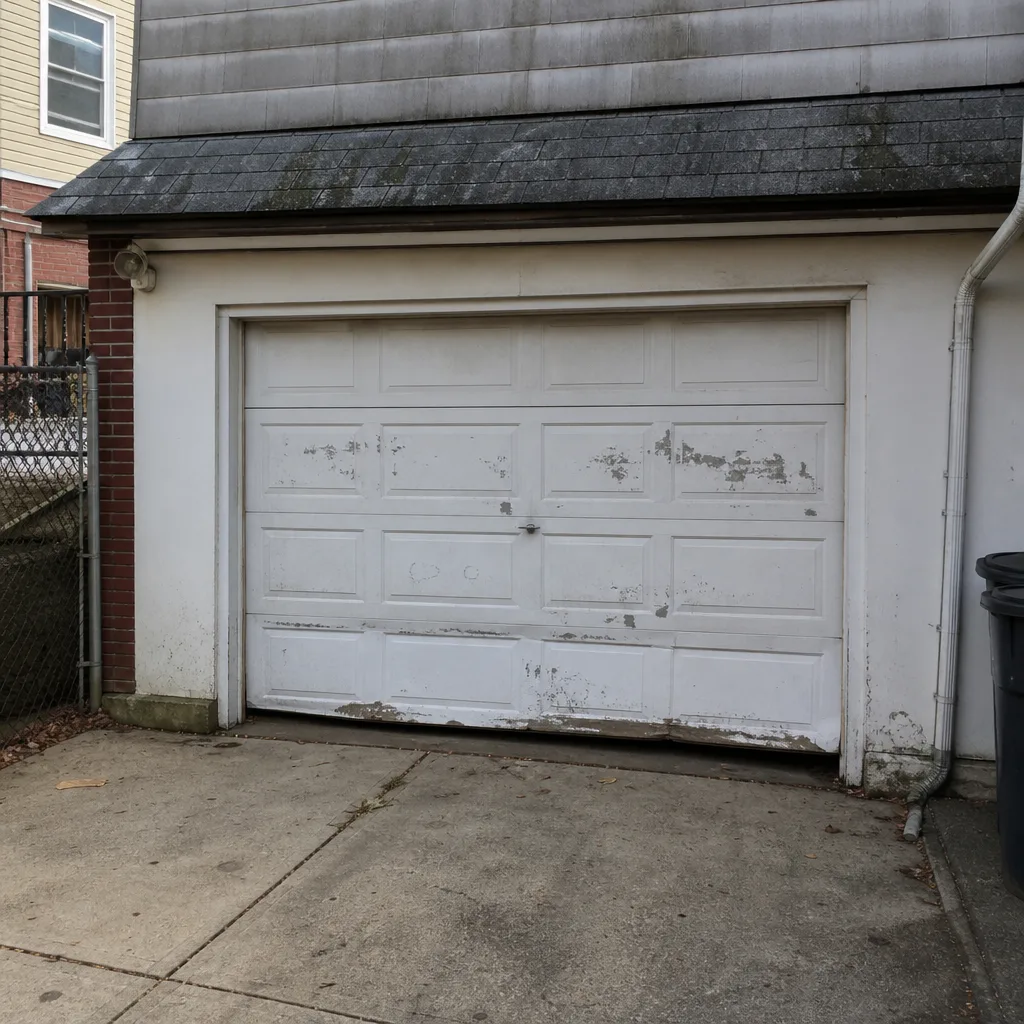 Before
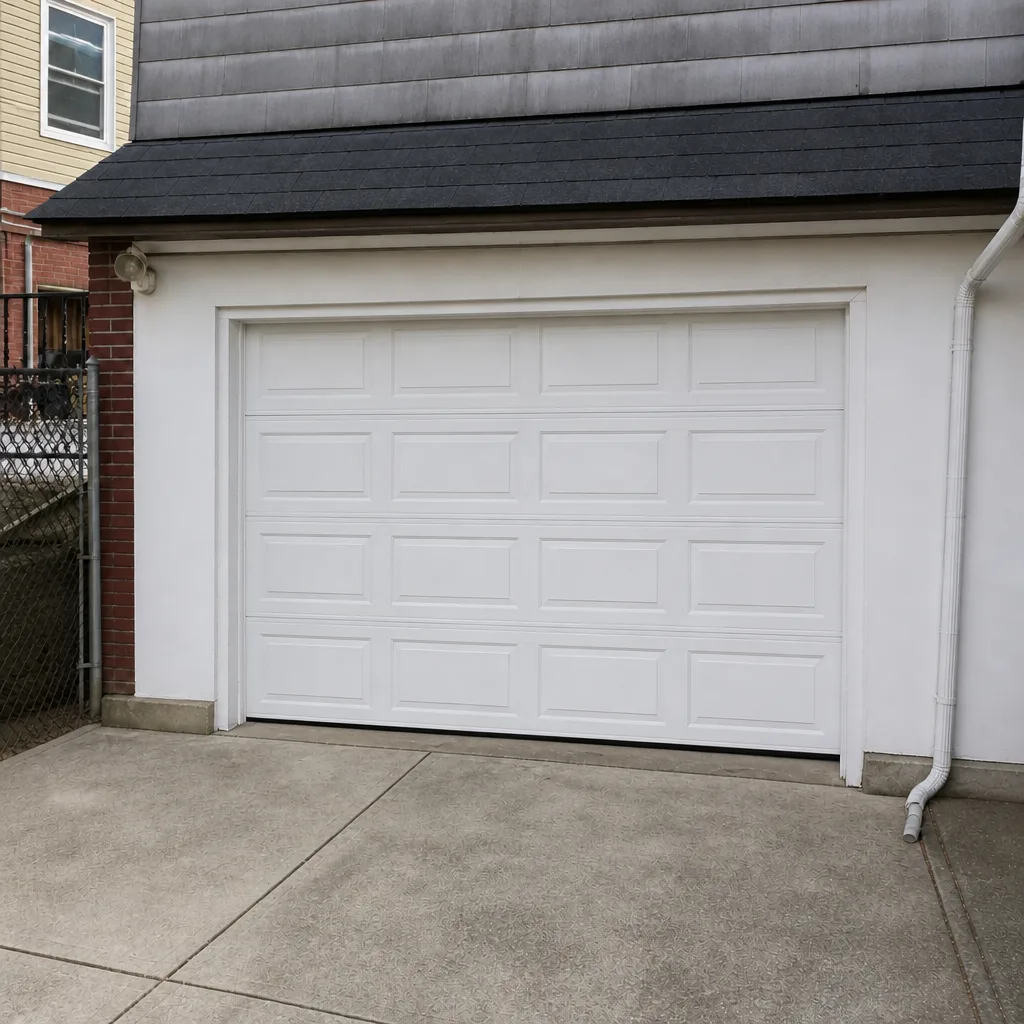 After
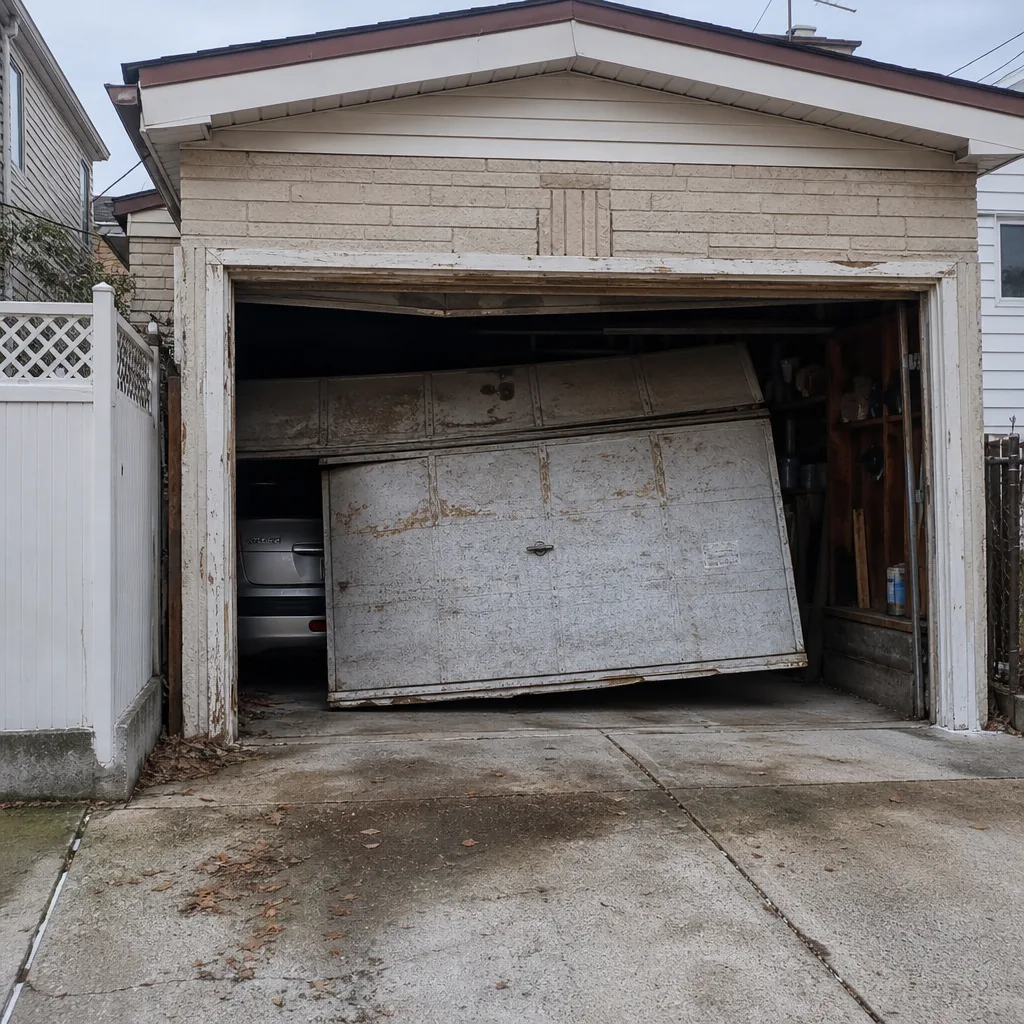 Before
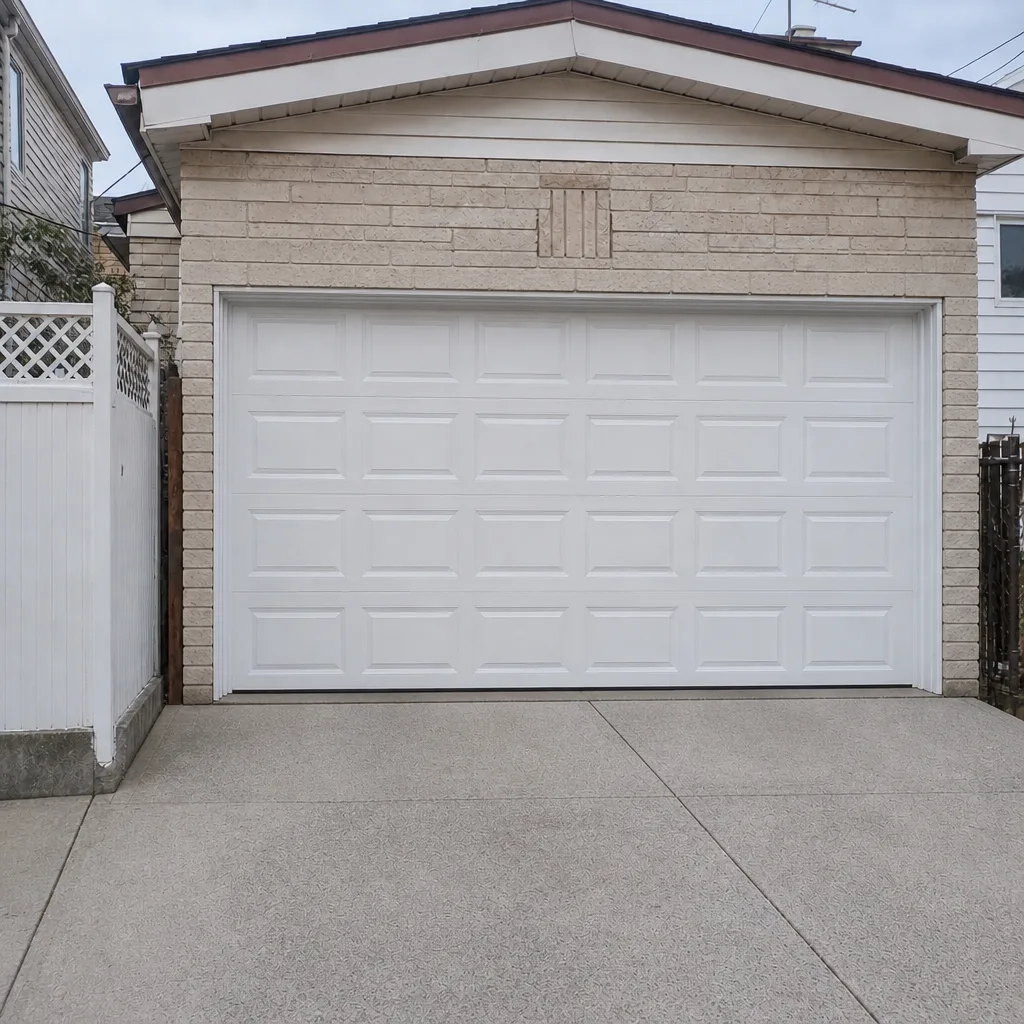 After
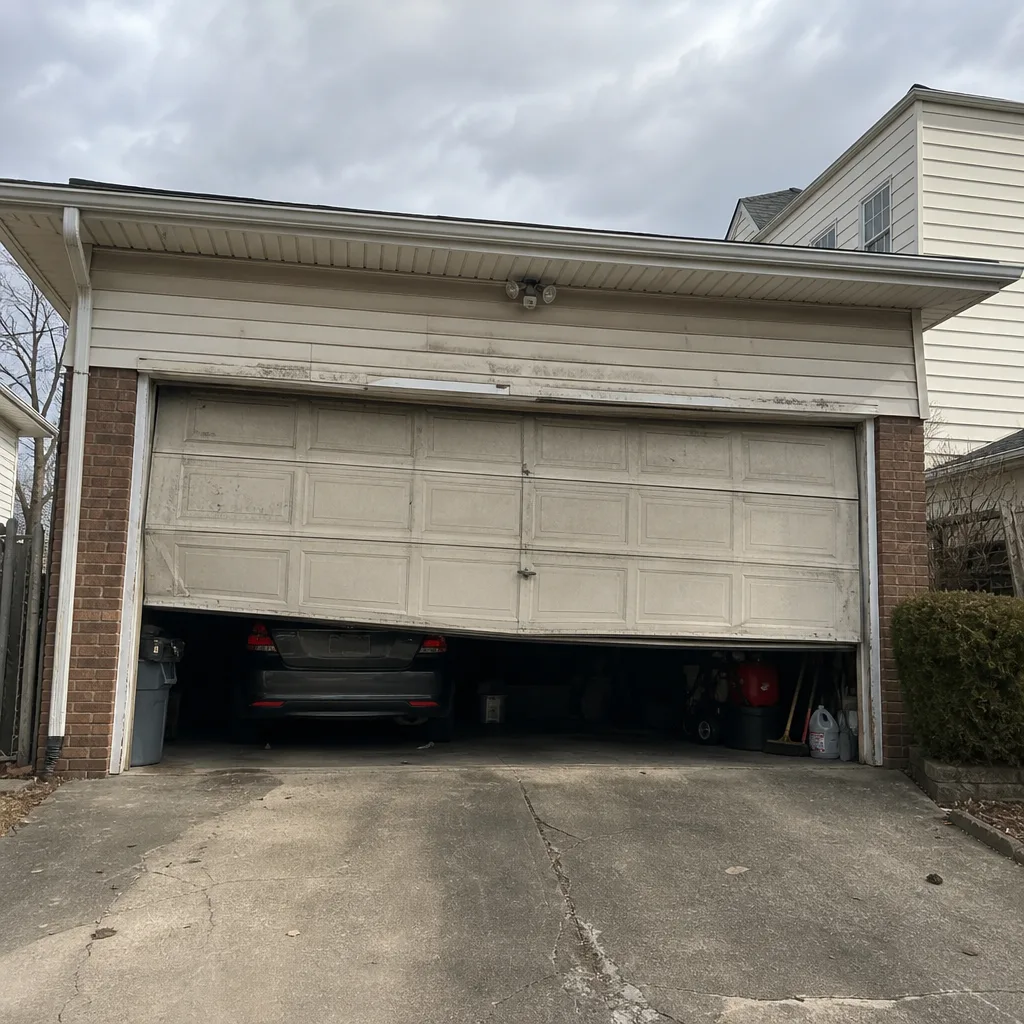 Before
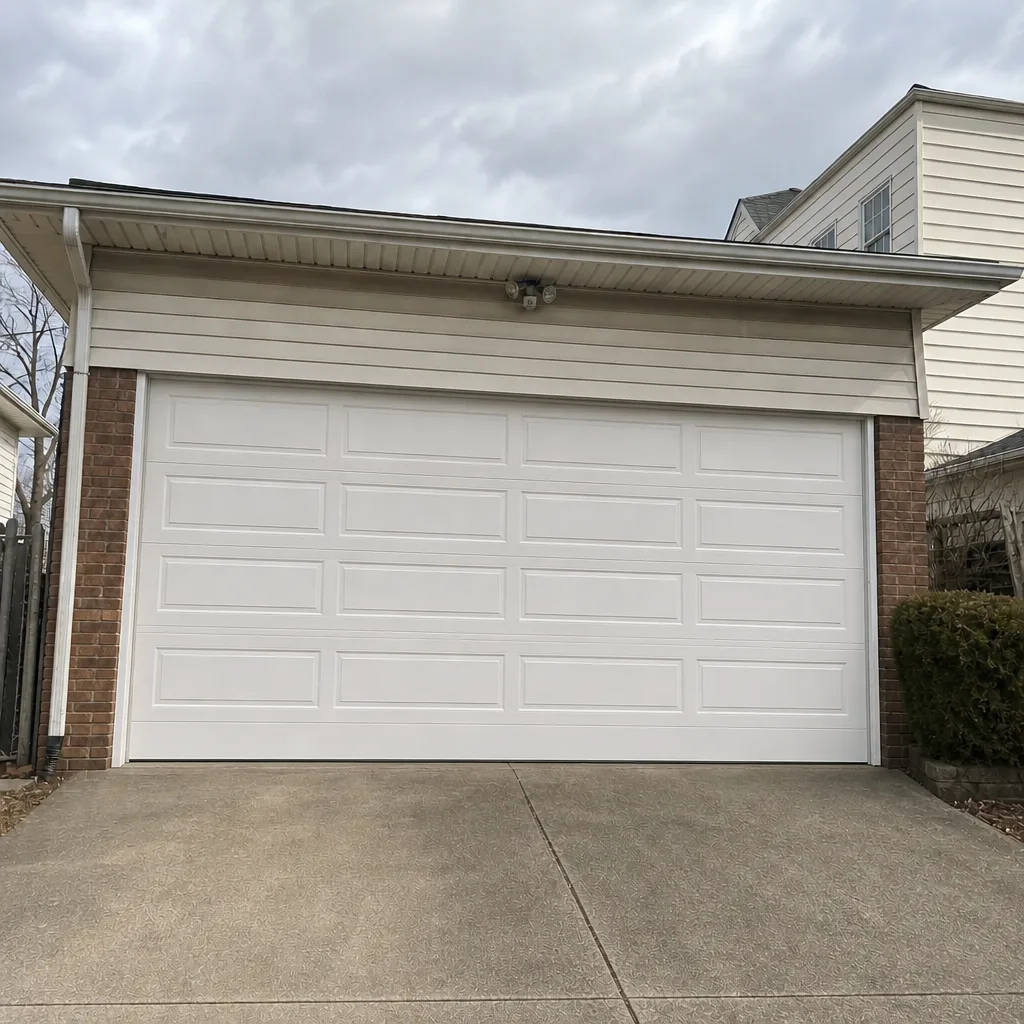 After