
Last updated November 21, 2026
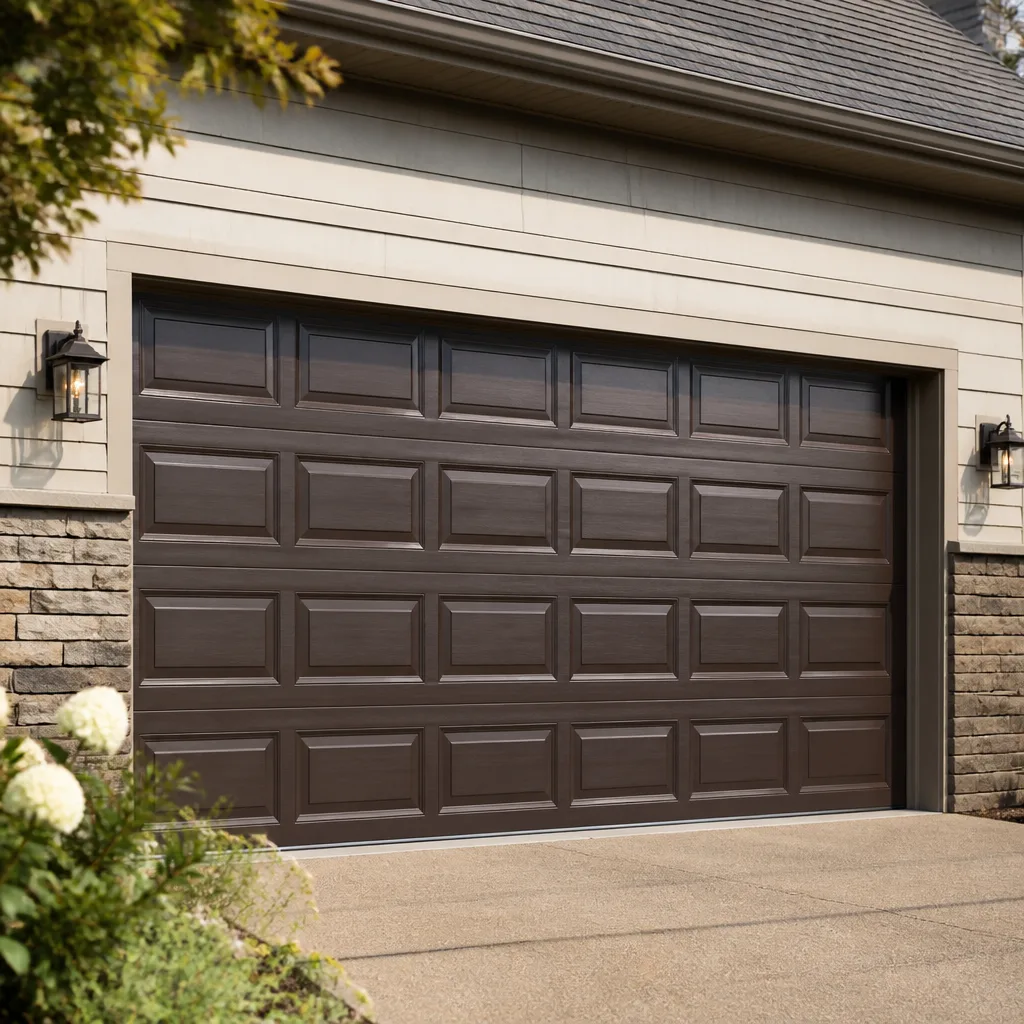 Raised-panel steel
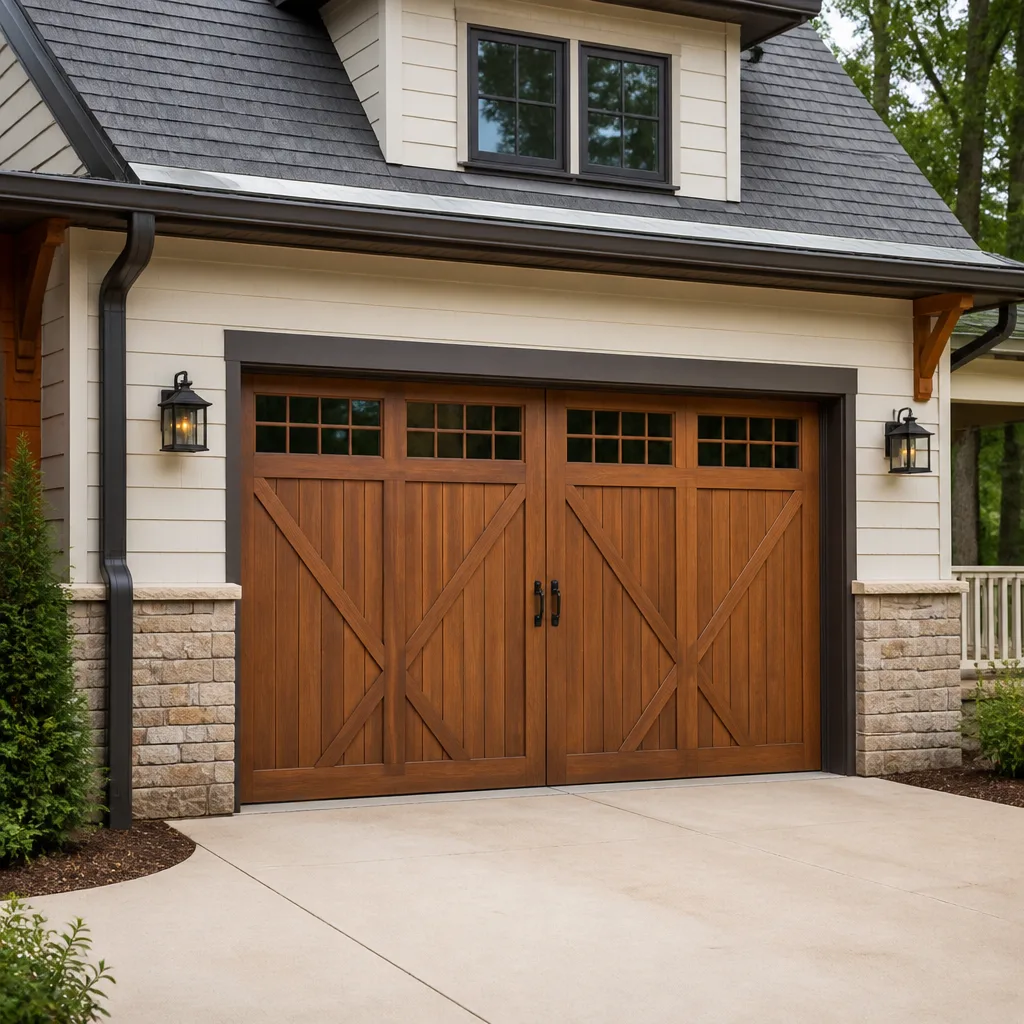 Carriage house
 Modern flush
 Full-view glass
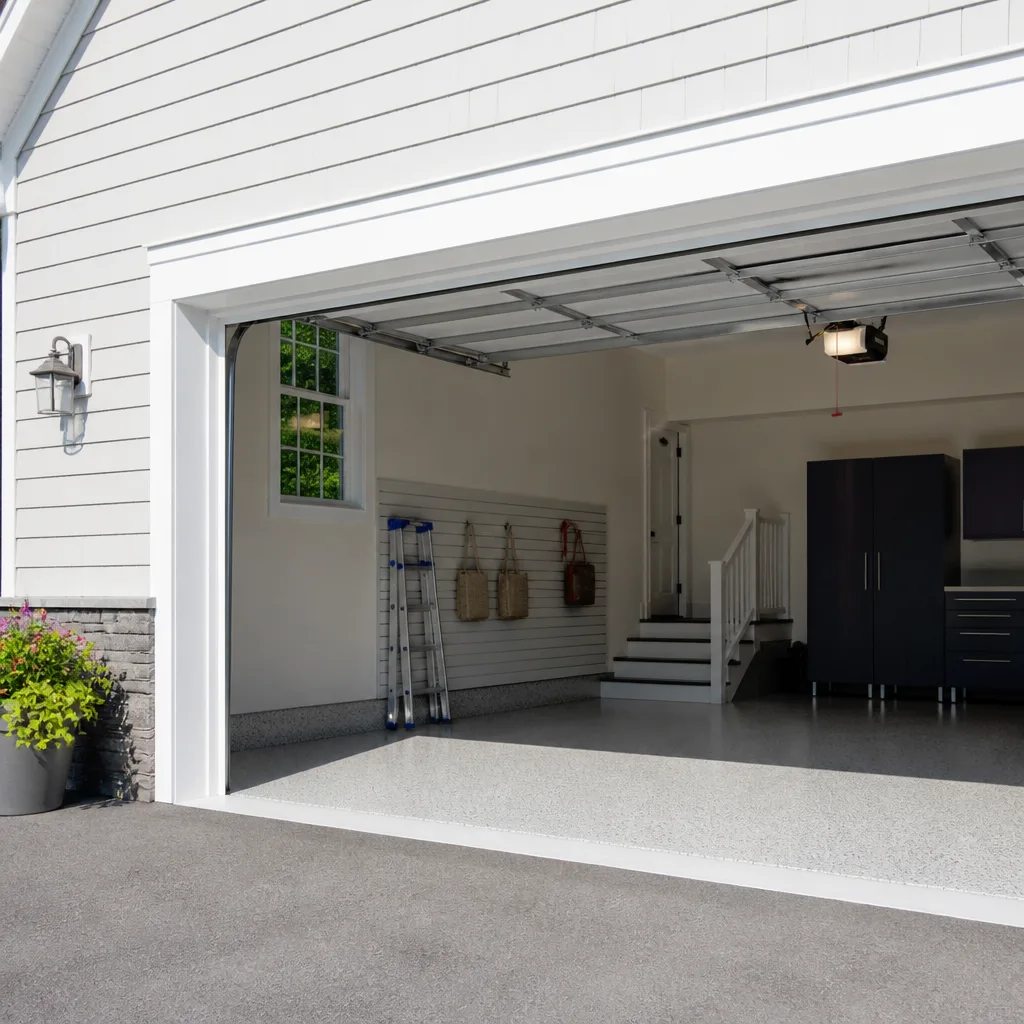 LiftMaster openers
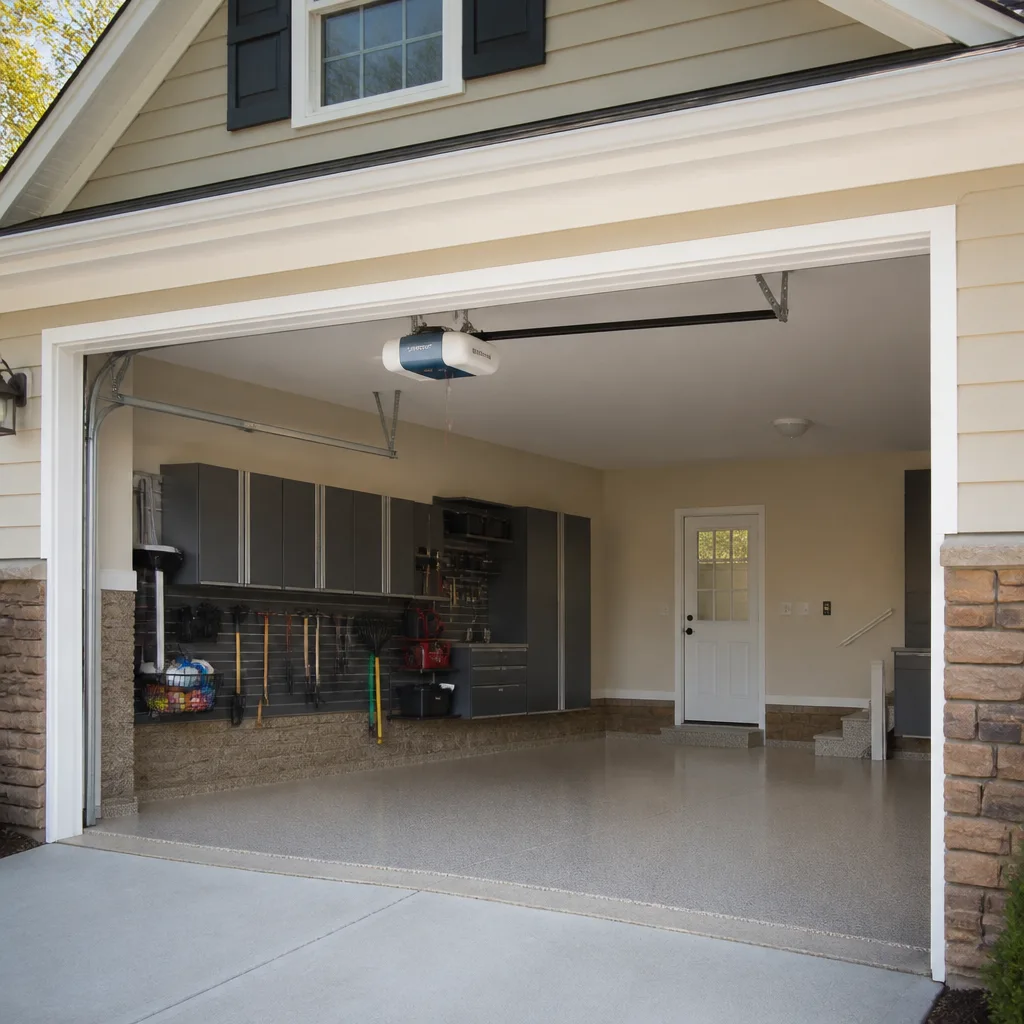 Chamberlain openers
Full 25-point door and opener safety check with every visit - springs, cables, rollers, tracks, and your LiftMaster or Chamberlain opener included
You get a price before we start. It does not change when the pro arrives.
Get your free estimateDIY vs Professional Garage Door: The Long Island City Homeowner’s Decision Guide
Torsion springs store roughly 100 foot-pounds of torque. That’s not a scare tactic to keep you away from your own door. It’s the actual engineering reason why spring replacement sits on the professional side of this list no matter how many tutorials you’ve watched. Here’s the part most guides get wrong: they treat DIY versus professional as a skill-level question. It isn’t. It’s a question of which tasks carry physical danger or code liability, and which ones are genuinely yours to handle. This guide draws that line honestly for Long Island City homeowners, so you stop paying a technician to reprogram a remote and stop risking a broken wrist on a cable you had no business touching.
Quick Answer
Lubrication, sensor alignment, remote reprogramming, and visual inspections are safe, sensible DIY tasks in Long Island City. Spring replacement, cable work, bottom-bracket repair, and anything requiring the door to come off its tracks are professional jobs because of stored mechanical force and the liability that comes with an unpermitted, uninspected repair. When in doubt about which side of the line a task falls on, call (877) 549-7594 for a free estimate and a straight answer before you pick up a wrench.
Styles & brands we work with
- Raised-panel steel
- Carriage house
- Modern flush
- Full-view glass
- LiftMaster openers
- Chamberlain openers
Table of Contents
- The Task Matrix: What’s Safe DIY and What Isn’t
- Why Springs and Cables Sit on the Professional Side
- NYC Code Exposure: Permits, Inspections, and Liability
- The Real Cost Comparison: DIY Parts vs. a Service Call
- Tools That Keep DIY Legitimate vs. Tools That Signal You’ve Crossed the Line
- How LIC’s Building Stock Raises the Stakes
- Why Your Door’s Brand Changes the Plan
- Knowing When DIY Stops Making Sense
The Task Matrix: What’s Safe DIY and What Isn’t
Most garage door problems split cleanly into two categories, and the split has nothing to do with how confident you feel. It comes down to whether the task involves stored mechanical energy or structural liability. Everything else is homeowner territory. Drawing this line clearly for Long Island City homeowners is the whole point of this guide.
Safe for a homeowner with basic tools
- Lubrication of hinges, rollers, and the track with a proper garage door lubricant. This is the single highest-value DIY task and prevents most of the squeaks and sluggish operation we get called about.
- Photo-eye sensor alignment when the door reverses for no obvious reason. A sensor knocked out of line by a bicycle or a bag of potting soil is a two-minute fix.
- Remote and keypad reprogramming after a battery change, a new remote purchase, or a move into a Long Island City apartment conversion with an existing door.
- Visual inspection of cables, springs, rollers, and hinges. Looking is always safe. Touching under tension is not.
- Track cleaning and debris removal so rollers aren’t grinding over grit and small objects.
- Replacing the opener’s light bulbs and batteries in remotes and wall controls.
Professional territory, full stop
- Torsion and extension spring replacement. The most common serious failure and the most dangerous task on the entire door.
- Cable replacement or adjustment. Cables are under continuous tension and can whip when released.
- Bottom bracket work. The bottom bracket holds cable tension and is one of the most injury-prone components on any door.
- Panel replacement on a door attached to a shared wall or structural frame in an older Long Island City building.
- Track realignment where the door has jumped or bent a section.
- Opener motor or gear replacement beyond a battery or belt adjustment.
The pattern is simple. If the component stores energy or holds the door’s weight, it belongs to a technician. If it’s a setting, a sensor, or a moving part you can reach without tension, it’s yours.
Why Springs and Cables Sit on the Professional Side
A torsion spring is a coiled steel bar under constant load, and when it’s wound it’s holding the entire weight of the door. That’s the 100 foot-pounds of torque we opened with. When a spring fails, it doesn’t fail gently. It releases that energy in an instant, and the winding bars that hold tension during a repair can become airborne if handled wrong. This is the one task where confidence and competence are genuinely unrelated.
Cables are the same story in a different shape. They run from the bottom bracket to the drum, under tension that keeps the door balanced. Releasing a cable safely requires knowing which way the tension is wound and how to control it. There’s no safe partial version of this job.
That’s why we handle torsion and extension spring repair as a named service rather than a favor. It’s the most mechanically demanding part of the door system, and it’s the component most likely to fail as a door ages. When we work on a spring, we’re also checking the cables, the bottom brackets, and the drums, because a spring rarely fails alone.
A word on the panel and section point. On a detached suburban garage, replacing a bent bottom section is annoying but low-stakes. On a Long Island City door attached to a shared wall or a structural frame, a badly seated panel can stress the opening, let in water at a seam, and create a gap that no longer closes flush. That’s not a repair you want to learn on.
NYC Code Exposure: Permits, Inspections, and Liability
Here’s where the DIY calculation gets less obvious than most homeowners expect. It’s not only about whether you can do the work. It’s about whether the work, done without an inspection, leaves you exposed if something fails later.
Some garage door work in New York City requires a permit, and some doesn’t. The exact line depends on the scope of the job and the type of building, and it has moved over the years. We’re not going to guess at code sections or hand you a number that might be wrong. Instead, the honest answer is this: before you tackle anything beyond lubrication and sensor work, call your building department and ask whether a permit is needed for what you’re planning. That one phone call settles the question for your specific building.
The liability question is the one that matters more. If you replace a spring or a panel yourself and it fails, causing damage to a neighbor’s vehicle or a shared wall, the question of who’s responsible comes down to whether the work was done to code and inspected. In a Long Island City building where a garage door can be attached to a structure shared with other units, that exposure is real. It’s not often a homeowner thinks through before opening a toolbox.
For a full replacement rather than a repair, the permit and inspection picture is clearer because the scope is larger. That’s one reason we walk homeowners through the permit question during the estimate for garage door installation rather than leaving them to sort it out after the fact.
The Real Cost Comparison: DIY Parts vs. a Service Call
The cost question is where the DIY-versus-professional decision usually gets made, and it’s also where most comparisons are dishonest. A parts-only number is not the cost of the repair. It’s one line item, and it leaves out tools, time, and risk.
On a job that involves high-tension components, the fair comparison is the price of parts plus the risk of injury plus the possibility of a second call when the first attempt doesn’t hold. For simple tasks like sensor alignment or lubrication, DIY wins on cost because the parts are inexpensive and the work is quick. For springs and cables, a parts-only number is misleading because the labor is the hard part and the downside of getting it wrong is a hospital visit, not a do-over.
On what a Long Island City repair actually costs, we won’t hand you a number we can’t stand behind. Queens labor pricing depends on the job, the brand, and the state of the surrounding components, and the only honest number is the one written on your estimate. That estimate is free, and it’s set per job. Long Island City is a tight market with a lot of older doors, and the same repair can look very different from one building to the next. When you call for a free estimate, the technician will look at the door as it actually sits, not as a generic average.
The decision in three lines
- Simple sensor, remote, or lubrication task: DIY on cost, no contest.
- Spring, cable, or bottom bracket: professional on cost and safety, because the labor is the repair and the injury risk is the reason not to skip it.
- Any job you’re unsure about: get a free estimate before you buy parts. It’s the lowest-cost way to find out which side of the line you’re on.
Tools That Keep DIY Legitimate vs. Tools That Signal You’ve Crossed the Line
The tools in your hand tell the story before you’ve done a thing. If the job calls for any of the tools below the line, you’re not doing a homeowner repair anymore, even if the tutorial made it look easy.
Standard homeowner tools
- Screwdrivers and a small socket set for brackets and wall controls.
- An adjustable wrench for external hardware.
- Garage door lubricant and a rag.
- A stepladder for sensor and opener work.
- The opener’s own remote and wall panel, which are the primary diagnostic tools on most modern systems.
- Your phone’s camera, which is genuinely useful for photographing sensor placement and hinge positions so you can put things back exactly as they were.
Tools that mean it’s a professional job
- Winding bars. These are used to safely control torsion spring tension. If the job requires them, you’ve crossed the line.
- Cable clamps and a come-along. Used to hold tension while a cable is replaced. Handling these safely is a trained skill.
- A spring-loaded or heavy-duty door jig for lifting or repositioning a door off its tracks.
- Impact tools and specialized drivers for opener gear and bracket work.
The rule of thumb: if the tool exists specifically for a component that stores energy, it’s a professional tool. You should not own winding bars. If you do, and you’re not trained on them, that’s the sign to stop.
How LIC’s Building Stock Raises the Stakes
Long Island City is a mix of older low-rise construction, converted loft and light-industrial buildings, and newer residential towers, and that mix changes the risk math on tasks that would be routine in a suburban detached garage.
Shared walls and attached structures
When a garage door is attached to a structure shared with other units, a failed repair doesn’t stay in your garage. A door that comes off its tracks or swings unexpectedly can damage a shared wall, a neighbor’s vehicle, or the door itself. That’s a different category of risk than a standalone garage where the worst case is a bent panel. On a Long Island City door shared with other units, call us before you touch anything that holds the door’s weight.
Older doors and legacy hardware
Older Long Island City buildings often have doors that were installed decades ago and may have been repaired with mismatched parts over the years. What looks like a simple spring replacement can turn into a fitment problem when the drum or bracket doesn’t match. We carry knowledge of the legacy brands still common on these doors, including Wayne Dalton and Raynor, so a repair doesn’t become a scavenger hunt.
Tight clearances
A converted building may have low overhead clearance or a door mounted close to an obstruction. That changes which track work is safe and which isn’t, and it rules out some of the shortcuts you’ll see online. It’s also exactly why a Long Island City estimate is worth more than a national average: the technician sees the clearance before recommending a repair.
Why Your Door’s Brand Changes the Plan
The brand stamped on your opener or door panel isn’t a detail. It decides which DIY tasks are safe, which parts are available, and whether a repair is worth doing at all. A few years ago an opener was a dumb motor; today it’s a smart device with its own firmware, app, and sensors. That changes what a homeowner can reasonably handle.
LiftMaster and Chamberlain openers are the two most common smart-home systems on Long Island City doors, and both support user-level remote reprogramming and sensor checks through their own apps and wall controls. Those are genuine DIY tasks. What isn’t a DIY task is the gear and motor assembly inside the housing, which is a bench job for a technician. Genie openers have their own sensor and limit-adjustment quirks, and getting those wrong can leave the door reversing at the wrong point.
On the door itself, older Wayne Dalton and Raynor panels and track systems often use brand-specific hardware. A panel you source online may not seat correctly, and a spring replacement that ignores the door’s weight rating can fail early. When we work on any of the eight brands we service, we check the door’s existing hardware before recommending a part, so a replacement doesn’t create the next repair. That kind of garage door repair work is routine for a technician and risky for a homeowner on the first attempt.
Knowing When DIY Stops Making Sense
There’s a point in every repair where the honest answer changes. Here’s how to spot it before you’ve made things worse.
- The door is out of balance. Lift the door halfway by hand. If it doesn’t hold there, the spring tension is wrong. That’s a technician problem, not an adjustment problem.
- You can see a cable that’s loose, frayed, or off its drum. Stop. Do not pull it. Call for service.
- A spring has visibly broken or the door won’t lift. This is the signature of a failed torsion or extension spring. It’s the most common serious call we get, and it’s never a homeowner job.
- The opener runs but the door doesn’t move. Could be a stripped gear, a broken spring, or a disconnected carriage. Two of those three are professional territory.
- The door reverses or stops partway. Check the sensors first. If alignment and a reset don’t fix it, it’s a limit or force setting that needs proper adjustment, which is where a technician earns their fee.
- You’ve already tried once and it didn’t work. Second attempts on a door system are where injuries happen. Stop and call.
If you’re reading this and one of those six describes your door, you don’t need more of this guide. You need a technician on-site. Our garage door opener repair work covers the opener side of all of those symptoms, and our spring work covers the rest.
Common Mistakes to Avoid
- Assuming confidence equals competence on springs. A tutorial makes every task look doable. Winding a torsion spring requires a specific feel for tension that you can’t get from a video, and the downside is a serious injury.
- Buying a generic spring from a parts site. Springs are matched to the door’s weight and cycle count. A mismatched spring can fail in weeks, and on an older Long Island City door the original weight rating may not be obvious.
- Skipping the permit question. If a repair or replacement needs inspection, doing it unpermitted can create a problem at resale. One call to your building department settles it.
- Ignoring the photo-eye sensors because they look fine. Misalignment is the single most common cause of a door that won’t close, and a sensor nudged out of position is a two-minute DIY fix most homeowners miss.
- Using WD-40 or grease on the tracks. They attract grit and gum up the rollers. Garage door lubricant is the right product, and it’s a cheap DIY job worth doing a couple of times a year.
- Repairing a door that’s already failing elsewhere. On older Long Island City doors, one failed part usually signals others are near the end. A technician catches the whole picture in one visit.
- Forgetting that a whole door replacement may make more sense than a repair. On a door that’s had multiple failures, the math can flip. That’s when it’s worth asking about full installation instead of another patch.
See the difference
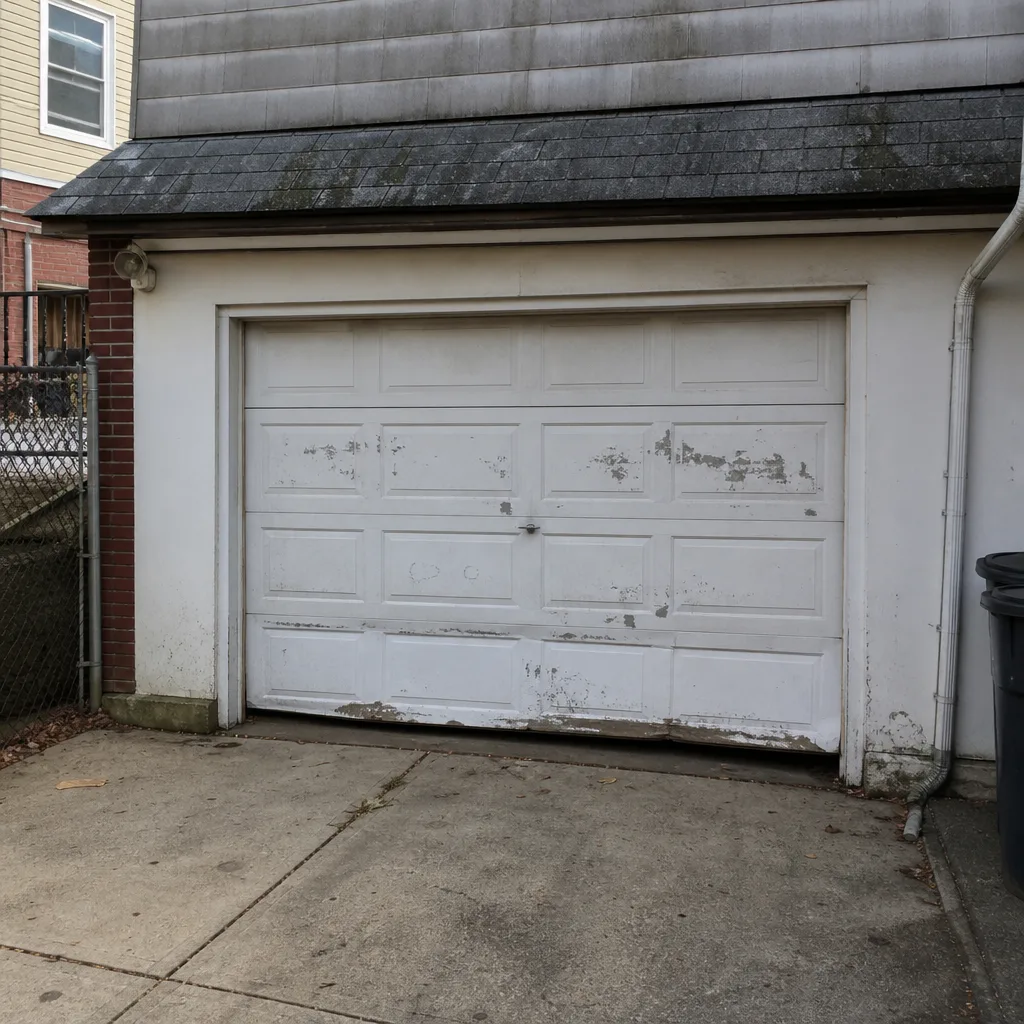 Before
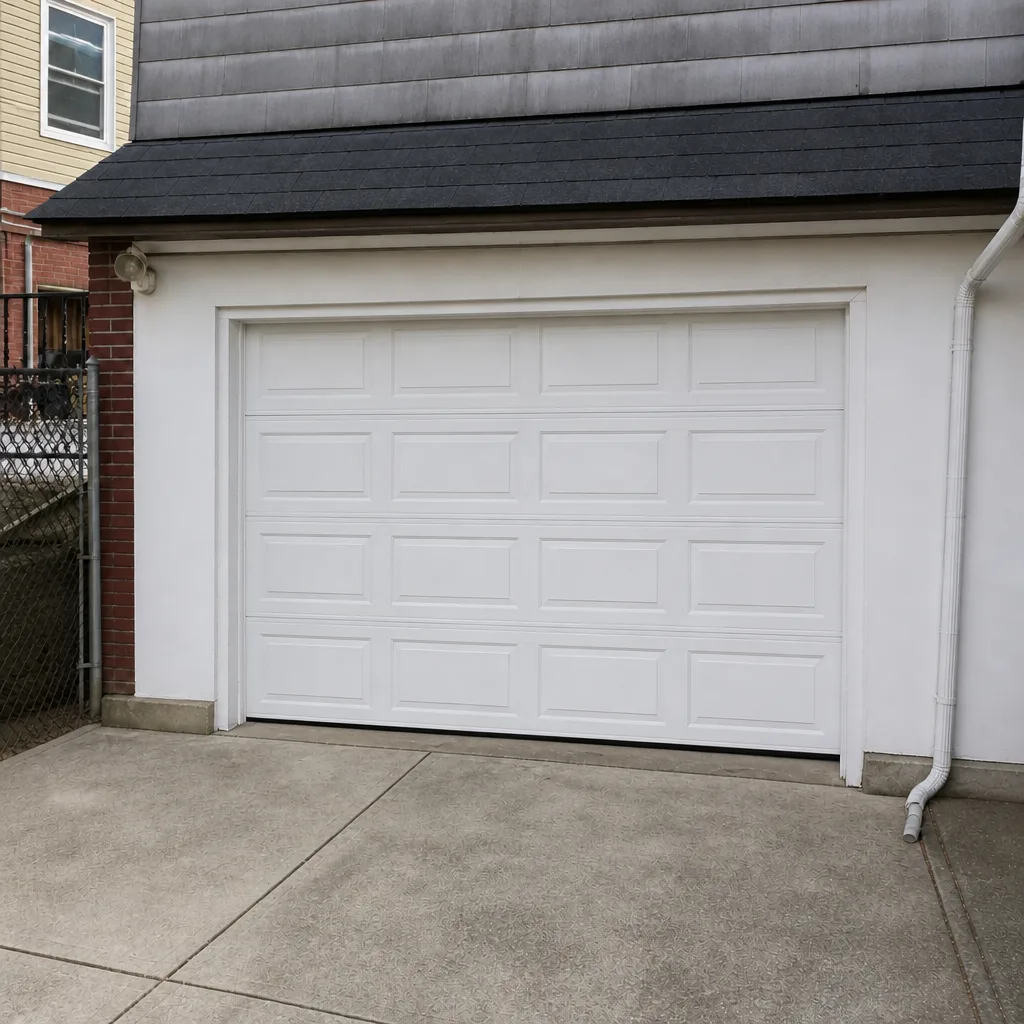 After
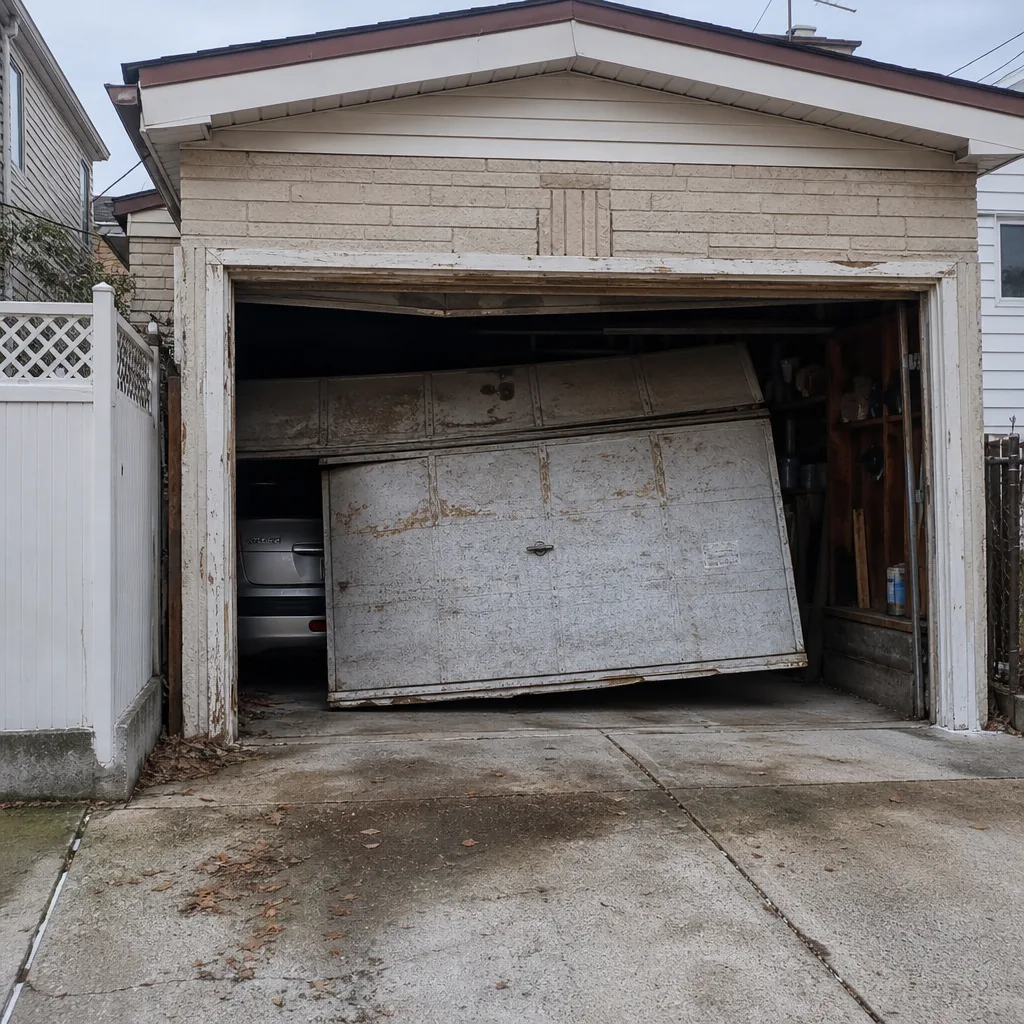 Before
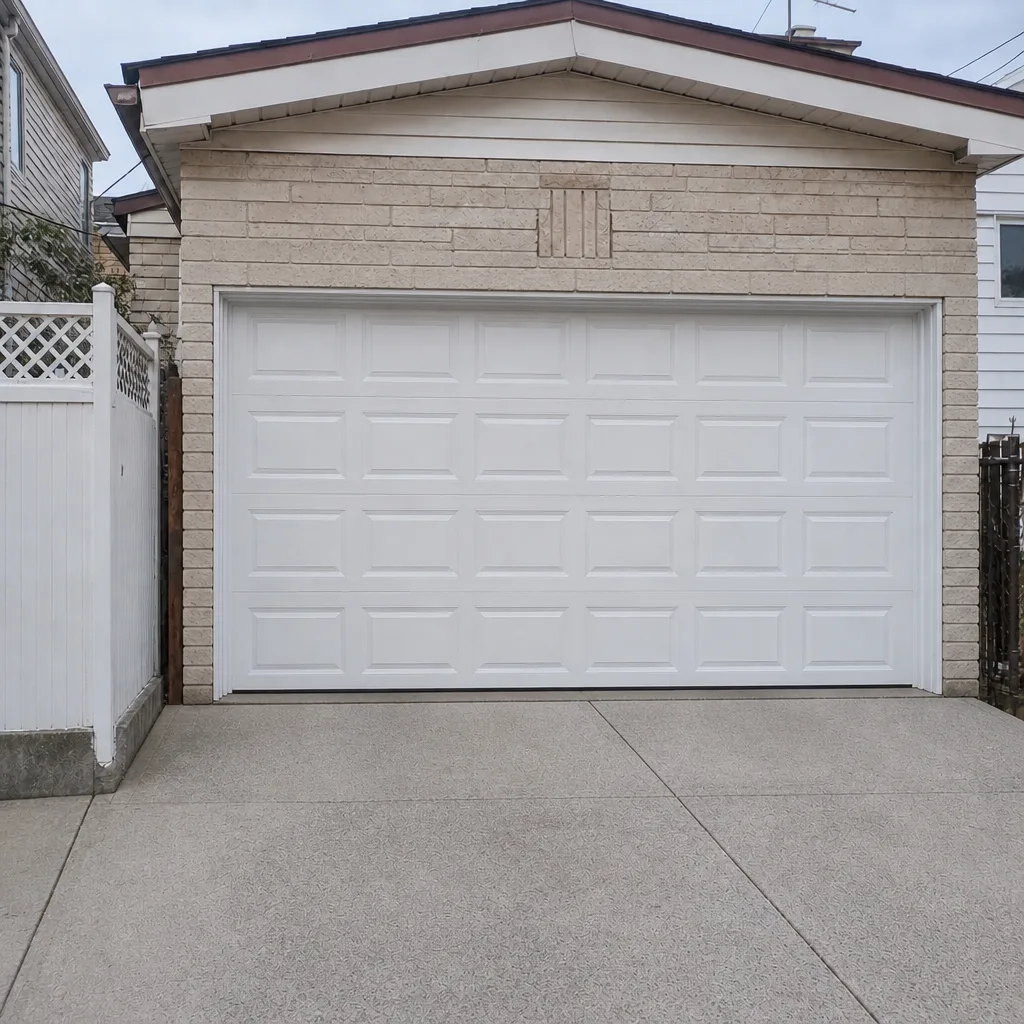 After
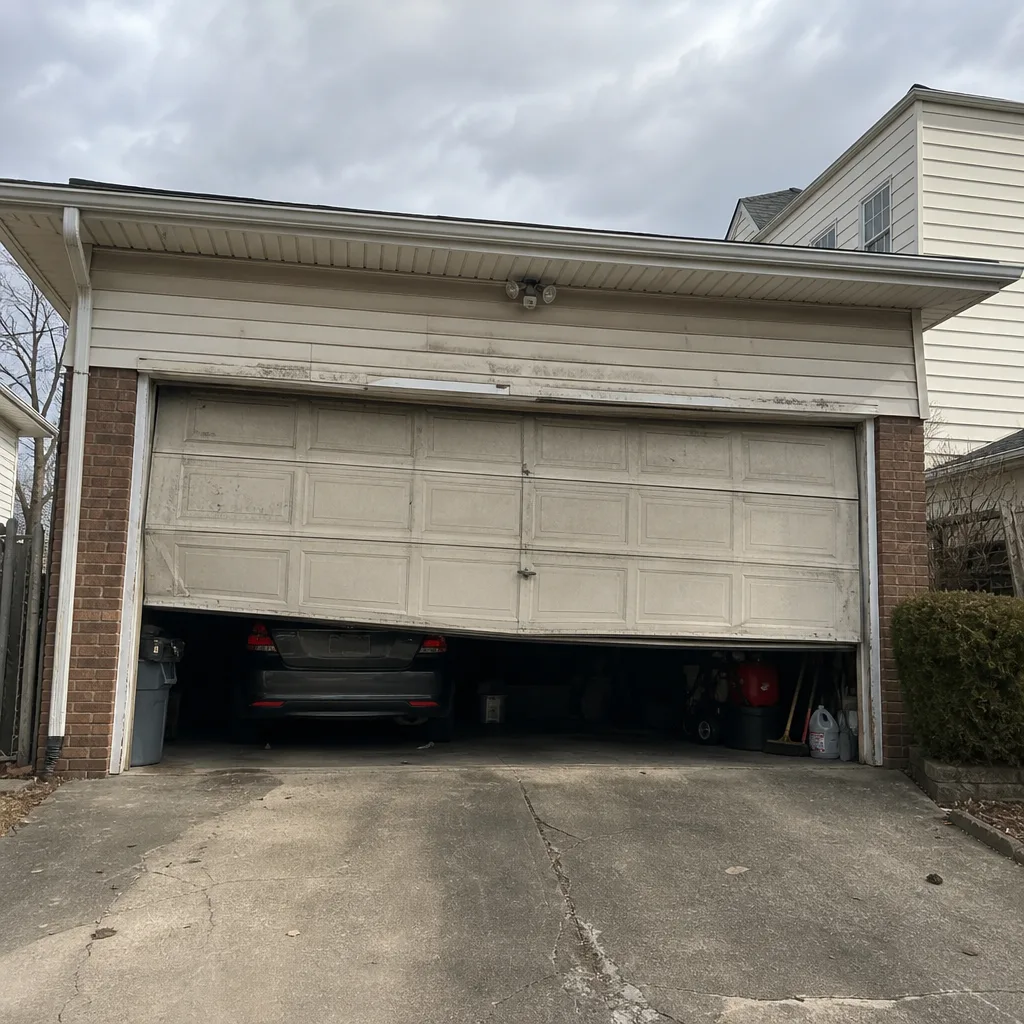 Before
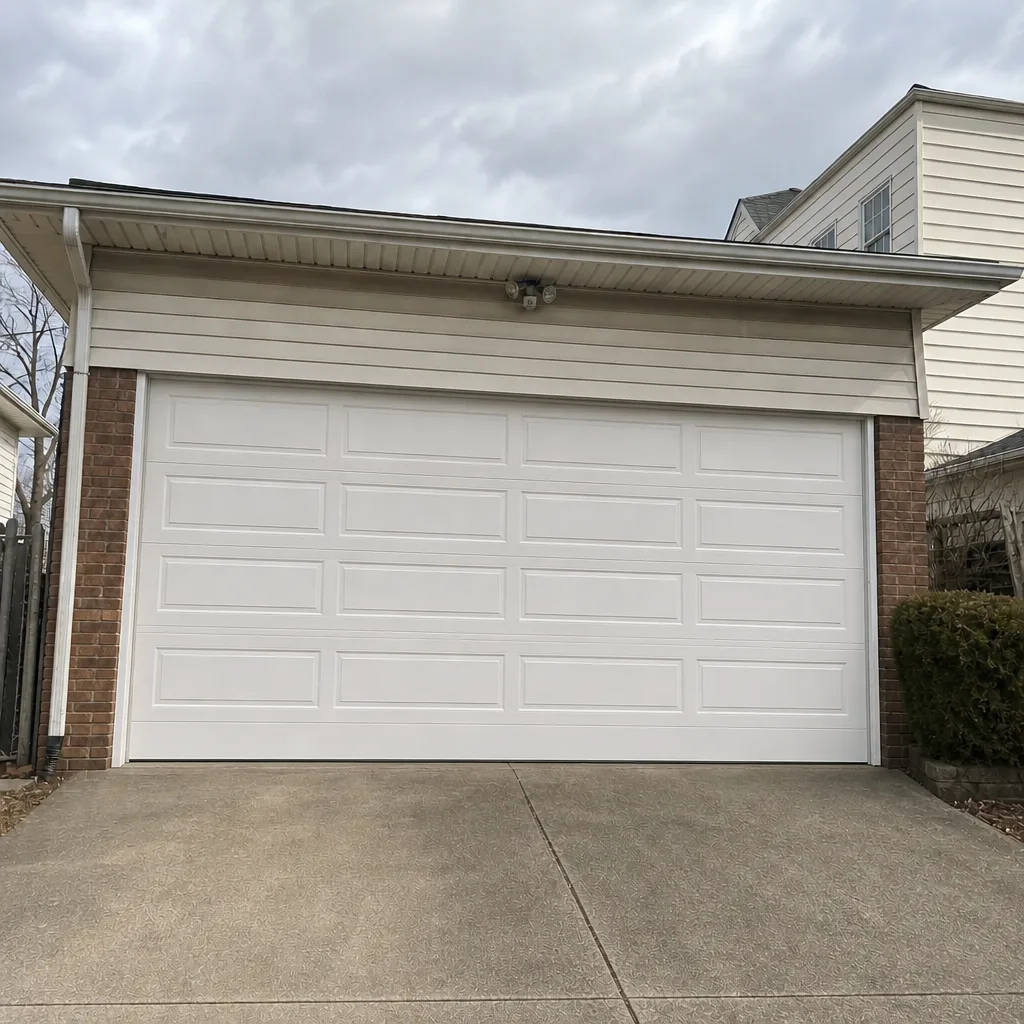 After
When to Call a Professional
Call for a professional when a spring, cable, or bottom bracket is involved, when the door is out of balance or off its tracks, when the opener runs but the door doesn’t move, or when a repair you attempted didn’t hold. On a Long Island City building with a shared wall or older hardware, the line is lower because the risk to surrounding structure is real. We offer free estimates, and we’ll tell you honestly whether the job is a repair or a door that’s reached the end of its life. Garage Door Repair Long Island City offers free estimates in Long Island City. Call (877) 549-7594, and we’ll give you a written price before any work starts.
Frequently Asked Questions
No. Torsion and extension springs store the full weight of the door as tension, and winding or releasing one safely requires specialized winding bars and training. A mistaken release can cause serious injury, which is why spring replacement belongs to a technician in Long Island City and everywhere else. Call (877) 549-7594 for a free estimate on a spring repair.
Often yes, if the cause is a misaligned photo-eye sensor. Look for the two small lenses near the bottom of the track, check that they face each other, and clear anything blocking the beam. If a real alignment brings the door back, you’ve saved a service call. If the door still reverses, the problem is in the opener’s settings or a failed component, and that’s when to call (877) 549-7594 for a free estimate.
Some repairs and replacements do and some don’t, and the line depends on the scope and the building. Rather than guess, call your building department and ask about your specific job. On a full replacement, the permit question comes up early, which is one reason we walk through it with you during the estimate for garage door installation. For a written quote, call (877) 549-7594.
Lubrication, and it’s a DIY job. A proper garage door lubricant on the hinges, rollers, and track quiets most squeaks and makes the door run smoother. Avoid grease or a general-purpose spray, which attracts grit. If the noise is grinding rather than squeaking, a roller or bearing may be failing, and that’s worth a look from a technician. Call (877) 549-7594 for a free estimate if you’re not sure.
Usually a broken spring, a stripped gear in the opener, or a carriage that’s disconnected from the door. On most doors a broken spring is the culprit, and the opener is fine but the door is no longer balanced. That’s a professional diagnosis, and our opener repair service covers all three causes. Call (877) 549-7594 for a free estimate before you buy a part.
We work on LiftMaster, Chamberlain, Genie, Clopay, Amarr, Wayne Dalton, Craftsman, and Raynor equipment, which covers the doors and openers most common in Long Island City. Tell us the brand when you call and we’ll confirm what the job needs. Call (877) 549-7594 for a free estimate.
The Bottom Line
The DIY-versus-professional line on a garage door is about stored energy and liability, not confidence. Lubrication, sensor alignment, remote reprogramming, and visual inspection are yours to handle, and they prevent a lot of the calls we get. Springs, cables, bottom brackets, and track and panel work on a shared-wall Long Island City building belong to a technician, because the labor is the repair and the risk is real. Get the free estimate before you buy parts. It’s the cheapest way to find out which side of the line your job is on. For a written price and a straight answer, garage door repair Long Island City is where to start. Call (877) 549-7594. We answer 24/7, with fast dispatch from 7am to 7pm, Sunday through Friday.
Written by the team at Garage Door Repair Long Island City.