
Last updated November 21, 2026
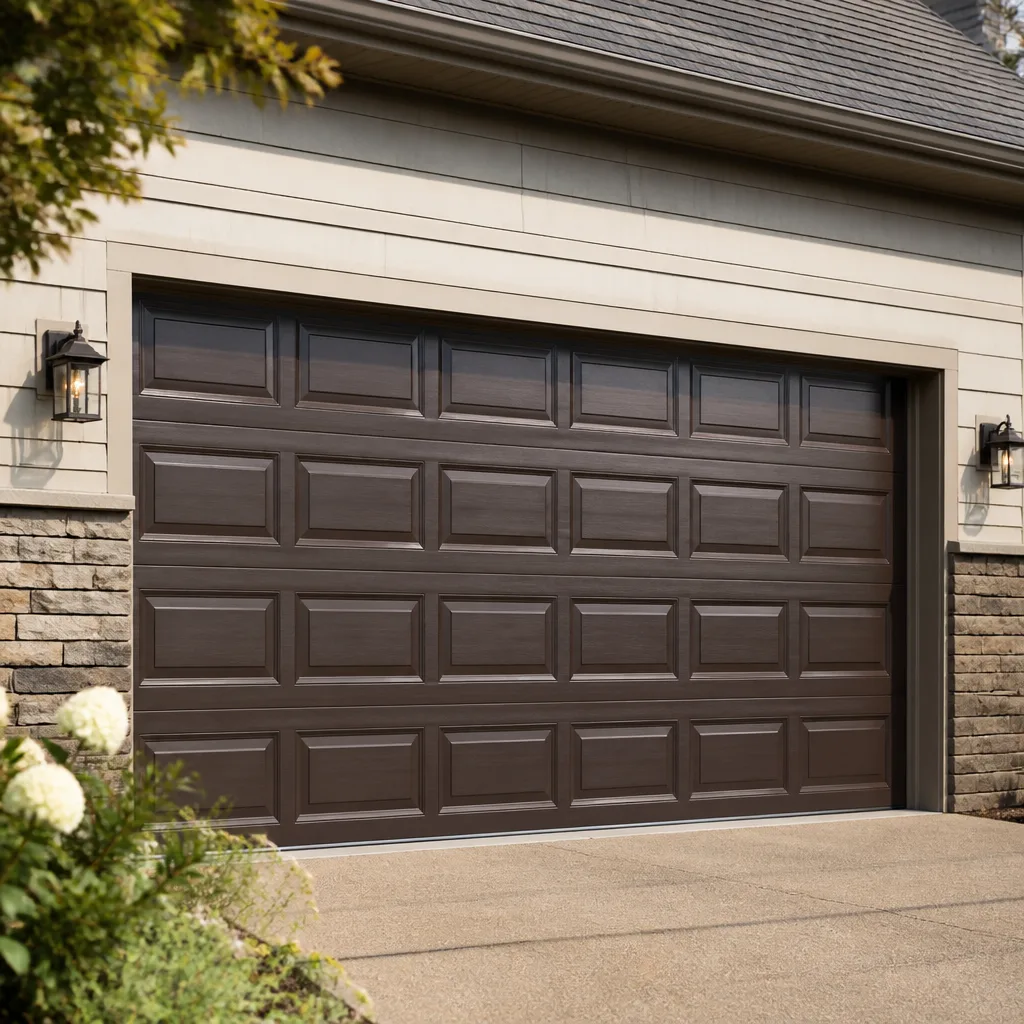 Raised-panel steel
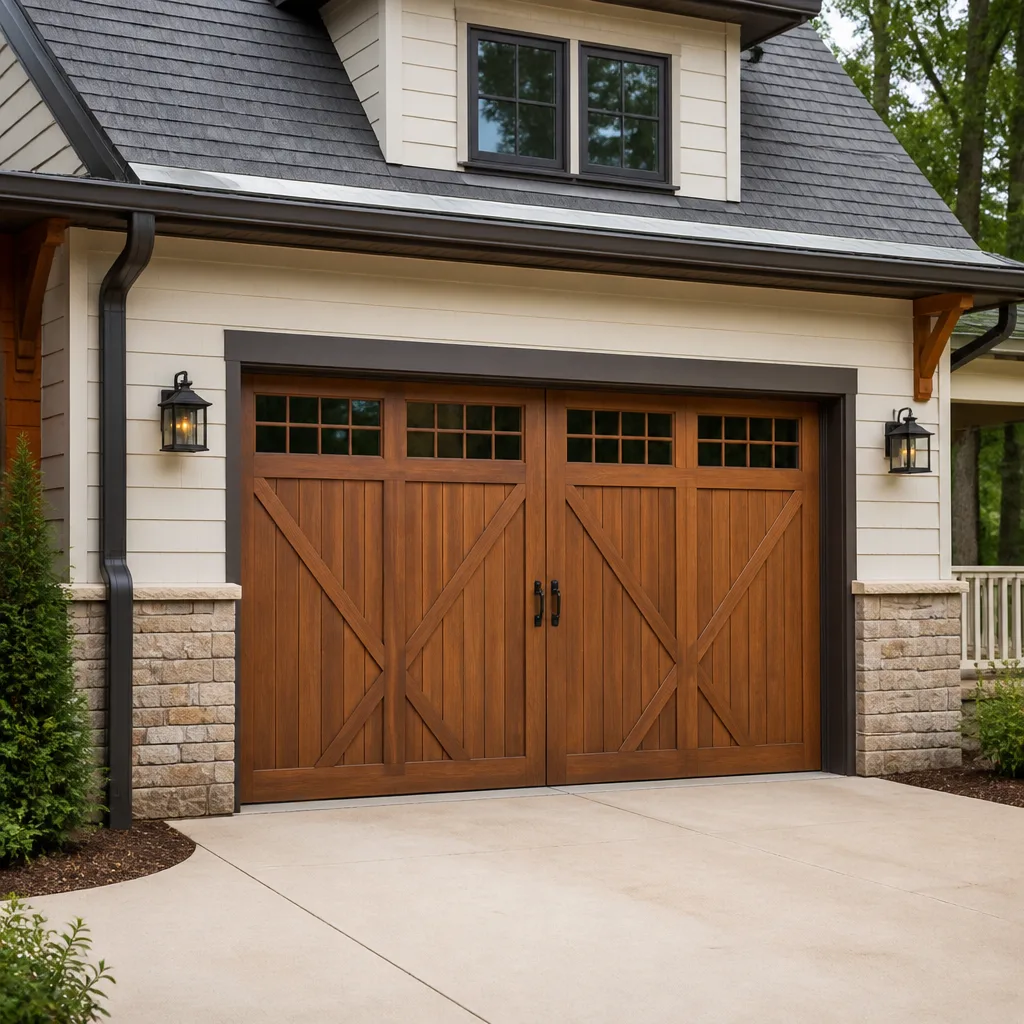 Carriage house
 Modern flush
 Full-view glass
 LiftMaster openers
 Chamberlain openers
Full 25-point door and opener safety check with every visit - springs, cables, rollers, tracks, and your LiftMaster or Chamberlain opener included
You get a price before we start. It does not change when the pro arrives.
Get your free estimateGarage Door Permits, Codes & Inspections in Long Island City, NY: What You Need to Know
Replacing a single garage door panel doesn’t require a permit. Replacing the entire door, even in the same opening at the same size, does, under NYC Building Code Section 28-105. That line has caught more than a few Long Island City homeowners off guard at closing, when a buyer’s attorney asks for the permit record and there isn’t one. The confusion runs both ways: plenty of people over-permit a simple spring replacement because nobody explained which jobs actually trigger a filing. This guide draws the line precisely, using the NYC Building Code, the NYC Energy Conservation Code, and how DOB NOW handles a minor alteration application in Queens. You’ll learn which work needs a permit, how to file, what inspections follow, and why fire separation matters in Long Island City’s mixed housing stock.
Quick Answer
In Long Island City, a full garage door replacement requires a permit filed through NYC DOB NOW as a minor alteration, while panel repair, spring repair, and opener replacement generally do not. Insulated doors on a conditioned garage must also meet the NYC Energy Conservation Code, and a garage sharing a wall with living space needs a proper fire separation assembly. An unpermitted door replacement can complicate your certificate of occupancy at resale.
Styles & brands we work with
- Raised-panel steel
- Carriage house
- Modern flush
- Full-view glass
- LiftMaster openers
- Chamberlain openers
Table of Contents
- Where the Permit Line Actually Falls: Repair vs. Replacement
- Filing a Minor Alteration Through NYC DOB NOW
- Energy Code Compliance for Insulated Doors
- Fire Separation When the Garage Shares a Wall
- What an Unpermitted Door Means for Your Certificate of Occupancy
- What an Inspection Actually Checks
- Repair or Replace: The Permit Math
- Common Mistakes to Avoid
Where the Permit Line Actually Falls: Repair vs. Replacement
The permit question comes down to whether you’re restoring an existing door or installing a new one. Repair work keeps the existing assembly in place. Replacement removes it and puts a new door, track, and hardware into the opening. Under Section 28-105, that second category is an alteration, and an alteration needs a filing.
Here’s how the categories usually sort out for a residential garage in Long Island City:
- Panel replacement (single panel): No permit. You’re swapping a damaged section while the door structure stays put. This is the most common repair we see in Long Island City and it rarely touches the code.
- Spring replacement (torsion or extension): No permit. It’s a mechanical repair to the counterbalance system, not a change to the opening or the door itself.
- Opener replacement or new opener install: No permit in a typical residential garage. If the opener is being added as part of a larger alteration, it rides along with that filing.
- Full door replacement, same opening and same size: Permit required. The code doesn’t care that the dimensions haven’t changed; it cares that a door assembly is being removed and a new one installed.
- Changing the opening size or header: Permit required, and this crosses into structural work. It needs a licensed contractor and a filing that reflects the structural change.
- Track, cable, and roller replacement: No permit when it’s repair. A full track reconfiguration as part of a new door install goes with the replacement permit.
We work on doors from Clopay, Amarr, and the other major manufacturers, and the permit question is the same regardless of brand. What changes is the spec sheet you’ll need for the filing, which we walk through below. If you’re unsure which category your job falls into, a Garage Door Repair Long Island City visit will tell you before you spend money on a filing you don’t need.
Filing a Minor Alteration Through NYC DOB NOW
DOB NOW is the city’s online filing portal, and a garage door replacement moves through it as a minor alteration. Minor alterations are typically simpler than a full new building or major alteration filing, but they still need a registered design professional or a licensed contractor to file on your behalf in most cases. Here’s the general sequence:
- Confirm the scope. You and the contractor agree on the door model, size, and whether the opening is changing. This determines what the filing covers.
- Gather the door specifications. Manufacturer spec sheets, wind-load ratings if applicable, and insulation values if the garage is conditioned. These go into the application.
- File the minor alteration in DOB NOW. Your contractor or filing representative submits the application with the plans and specs attached.
- Pay the filing fees. DOB sets the fee based on the scope of work. Your contractor should show you the fee line before filing.
- Receive plan review. Most minor alteration filings for a door replacement move through plan review without a full examination, but Queens filings can queue. Turnaround times vary with DOB’s workload; ask your contractor for the current expected window rather than assuming a fixed number of days.
- Get the permit issued, then install. Work starts only after the permit is issued. This is where some homeowners get burned by a contractor who starts before the filing clears.
- Schedule the inspection. After the install, the inspection is requested through DOB NOW and a DOB inspector signs off.
- Close the permit. The sign-off is recorded and the permit is closed. Keep that record: it’s your proof at resale.
Filing timelines in Queens are not a fixed number, so treat any contractor who quotes a specific day count with some caution. What matters is that the filing is real, the permit number exists, and the work waits for issuance. If your project is a repair rather than a replacement, you can skip the whole sequence; our garage door repair work never needs a filing.
Energy Code Compliance for Insulated Doors
If your garage is a conditioned space (heated, cooled, or inside the building’s thermal envelope), the door is treated as part of the building enclosure the same way a wall or window is. That pulls it under the NYC Energy Conservation Code. A non-insulated door on a conditioned garage will usually fail the energy review during plan check, and the fix is an insulated door with a documented R-value.
In Long Island City this comes up more than people expect. A lot of the newer residential stock has garages tucked under or beside living space, and those garages are often semi-conditioned or fully conditioned. If your door opens into a space that shares air with the house, insulated is the safer call.
What you’ll want to have ready for the filing:
- The manufacturer’s published R-value for the specific door model, not a generic claim
- The U-factor if the manufacturer publishes one for the assembly
- Clopay and Amarr both publish spec sheets that carry these figures; your contractor should pull the one that matches your door, not a similar model
If the garage is unconditioned and fully separated from the living space, the energy code has much less to say about the door itself. The question is where the thermal boundary sits, and that’s a call your filing professional makes during plan review. Ask before you buy the door, not after; swapping an installed door for an insulated model because the filing flagged it is a costly order of operations.
Fire Separation When the Garage Shares a Wall
This is the layer most garage door contractors skip, and in Long Island City it matters because a garage sharing a wall with living space is a common configuration. When a garage is attached or tucked under the house, the wall between the garage and the living space is a fire separation assembly. It has to hold up under fire conditions, and that requirement has implications for how the garage door and its surrounding opening are built.
Fire separation isn’t the door’s job alone. It’s a system:
- The wall assembly itself carries a fire rating, and that rating has to be maintained around the door opening. The header, the jambs, and the framing all have to be intact after installation.
- Self-closing hardware on the door between the garage and the house (the interior door, not the overhead door) is a related requirement your filing may touch.
- Penetrations through the fire separation, like a new opener’s wiring or a track anchor, need to be detailed so they don’t compromise the assembly.
What this means in practice: when a door replacement touches a fire-separated garage, the filing may need to show how the fire separation is preserved around the new opening. A contractor who only thinks about the door will miss it. If your Long Island City garage is stacked under a unit or shares a wall with a bedroom, worth flagging that during the estimate.
What an Unpermitted Door Means for Your Certificate of Occupancy
The certificate of occupancy (CO) is the document that says your building is what it’s permitted to be. An unpermitted alteration can complicate the CO record, and a CO discrepancy surfaces most often at resale. Long Island City’s market is active, and buyers here do diligence: an attorney’s title search will pull the DOB record, and a missing permit for a door replacement is a visible gap.
What usually happens when the gap shows up:
- The buyer’s attorney asks for the permit and sign-off, and there isn’t one
- The closing gets held up while the permit is retroactively filed or the record is corrected
- The seller eats the cost of the late filing and the time cost of the delay
We’ve seen this play out on Long Island City properties, and the retroactive filing is almost always more work than the original permit would have been. The door replacement is done, the inspection has to happen anyway, and now there’s a paper trail to reconstruct. It’s not a reason to panic if you’re the buyer, but it’s a strong reason to insist on seeing the permit number before you close on a property with a recently replaced garage door.
If you’re planning to sell and aren’t sure whether the door on your house was permitted, the answer lives in the DOB record. Pull it before the listing goes live, not after.
What an Inspection Actually Checks
The DOB inspection for a garage door replacement is not a quality inspection of your door’s operation. It’s a check that the installed assembly matches what the permit described and that the opening and fire separation are built the way the plans show. Knowing that in advance keeps the day from feeling like a surprise.
Here’s what an inspector typically looks at:
- The door matches the filed spec. Brand, model, size, and insulation value should match the application. A Clopay door filed at one R-value and installed at another is a problem.
- The opening matches the plans. Same width, same height, header intact if it was part of the scope.
- Fire separation is preserved. Where the garage shares a wall with living space, the assembly around the new opening has to be sound.
- Safety features are present. The opener’s reversing mechanism and photo eye are part of a compliant install.
- The permit is posted and accessible. The filing has to be visible at the job.
We’ve walked homeowners through the prep for these inspections, and the biggest failure mode is a door that got swapped in spec between the filing and the install. If your contractor ordered a different model, the filing needs to be updated before the inspection, not after. That’s a conversation to have at delivery, not at inspection.
Repair or Replace: The Permit Math
The permit isn’t the deciding cost in a repair-vs-replace call, but it’s a line item that disappears when you stay in repair territory. A spring replacement or a panel swap doesn’t need a filing, doesn’t need an inspection, and doesn’t touch the CO. A full replacement does all three, and the filing and inspection add time on top of the work itself.
Here’s how the two paths compare:
- Repair path: No permit, no inspection, faster turnaround. Right call when the door is structurally sound and the failure is a component (spring, cable, opener, roller).
- Replacement path: Permit, filing fees, inspection, and the door lead time. Right call when the door is damaged beyond economical repair, the panels are failing, or the opener and door are both done.
If you’re on the fence, the honest question is whether the repair will buy you enough years to make the replacement’s permit overhead worth deferring. For a door that’s in decent shape and just lost a spring, repair wins. For a door that’s been patched twice and is on its way out, the replacement is the better spend even with the filing. When you’re ready to move to a new door, our garage door installation team can quote the door and walk you through the filing. And if the opener is the failing part, garage door opener repair is a no-permit fix.
Common Mistakes to Avoid
- Skipping the permit on a full door replacement. Same opening, same size, still an alteration under Section 28-105. The gap is invisible until someone pulls the DOB record at closing.
- Over-permitting a spring or panel repair. These are repairs, not alterations. Filing for them wastes money and time you don’t need to spend in Long Island City.
- Starting the install before the permit issues. A contractor who’s ready to install before the filing clears is a red flag. Work starts after issuance, not before.
- Swapping the door model after the filing. The spec sheet has to match the installed door. A different model means an updated filing and a delayed inspection.
- Ignoring the energy code on a conditioned garage. A non-insulated door filed on a conditioned garage will fail plan review. Confirm the R-value before you order.
- Missing the fire separation on a shared-wall garage. Common in Long Island City’s stacked housing stock, and the most skipped layer in a door replacement filing.
- Not keeping the sign-off record. The closed permit is your proof at resale. If you can’t produce it, the buyer’s attorney will ask why.
See the difference
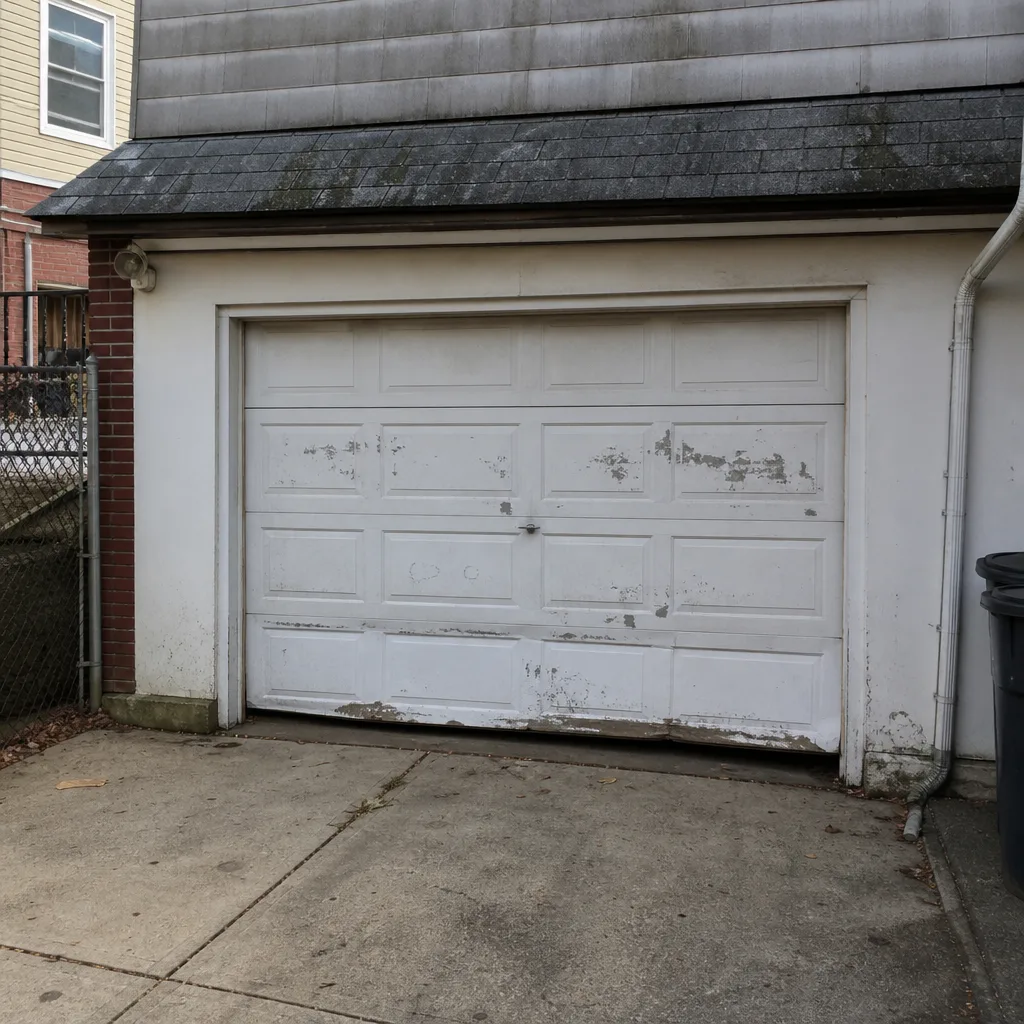 Before
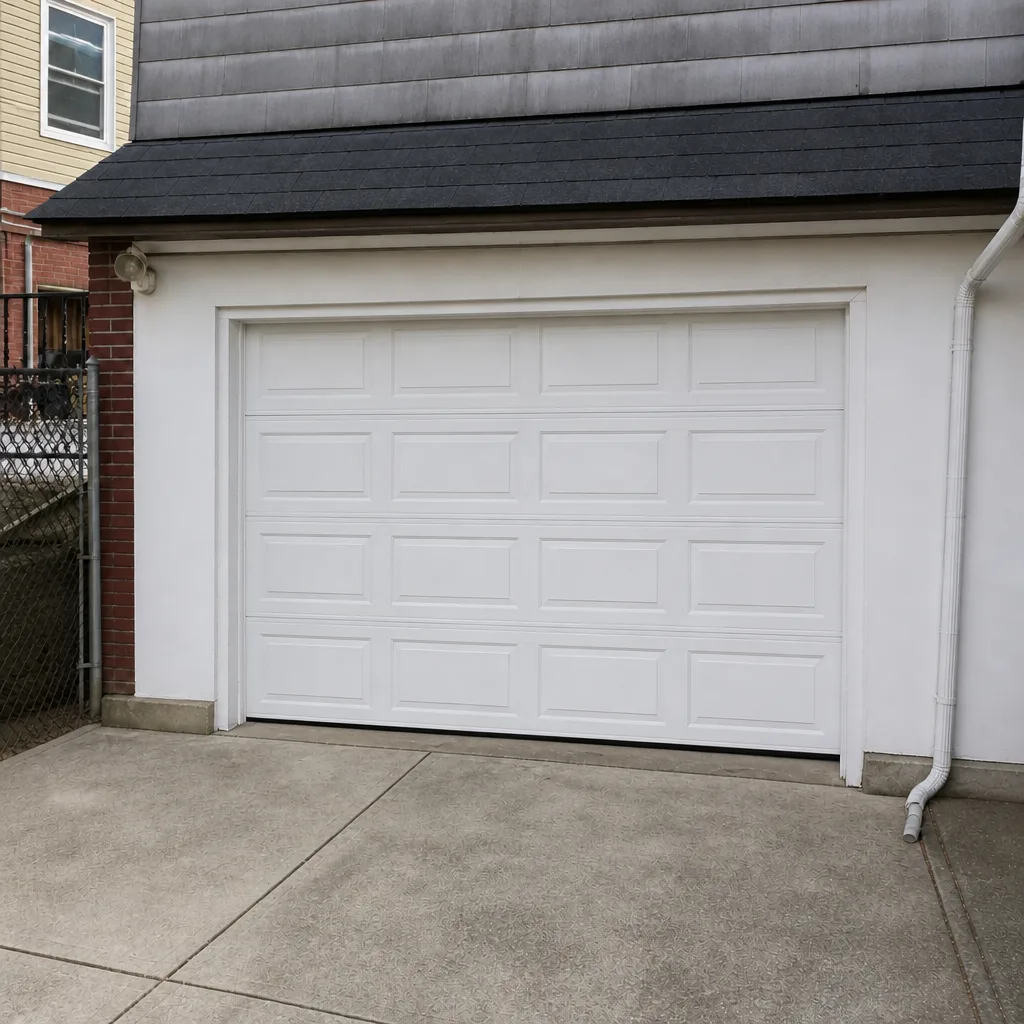 After
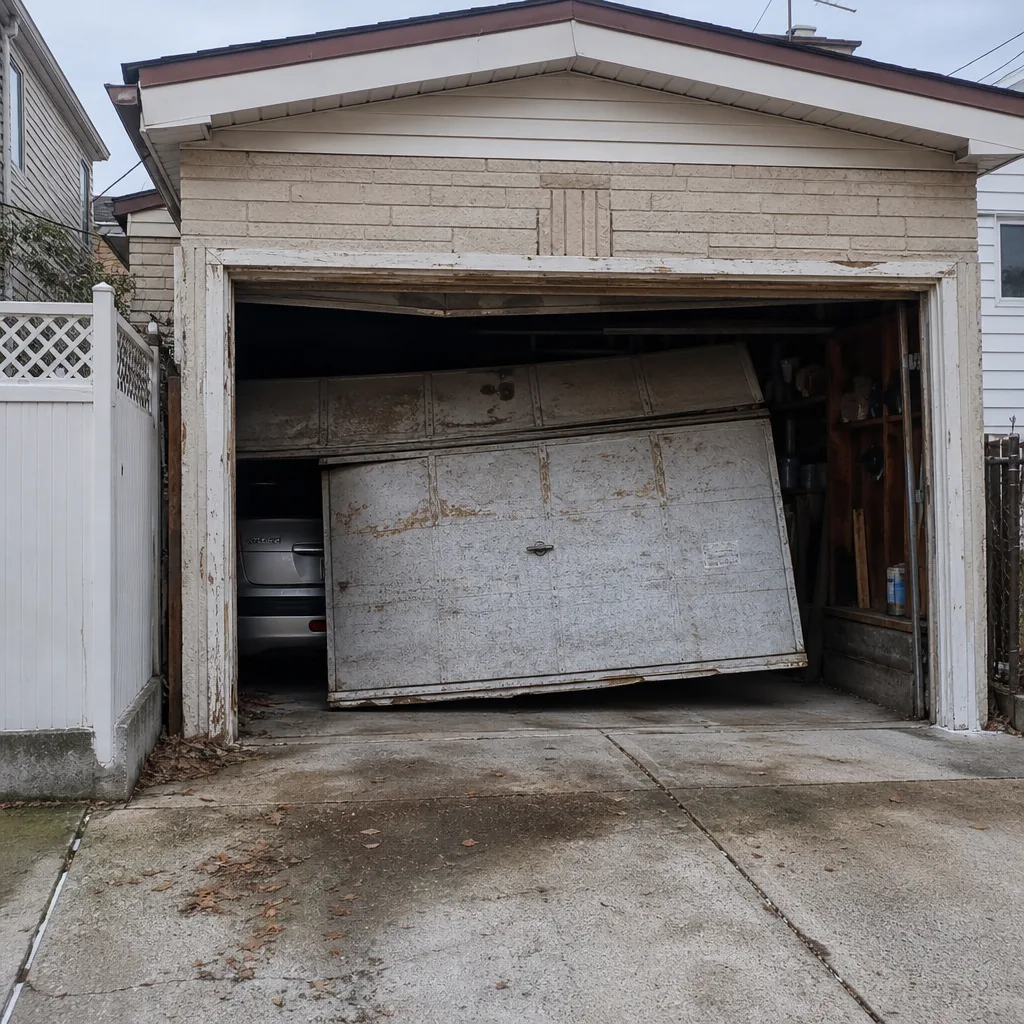 Before
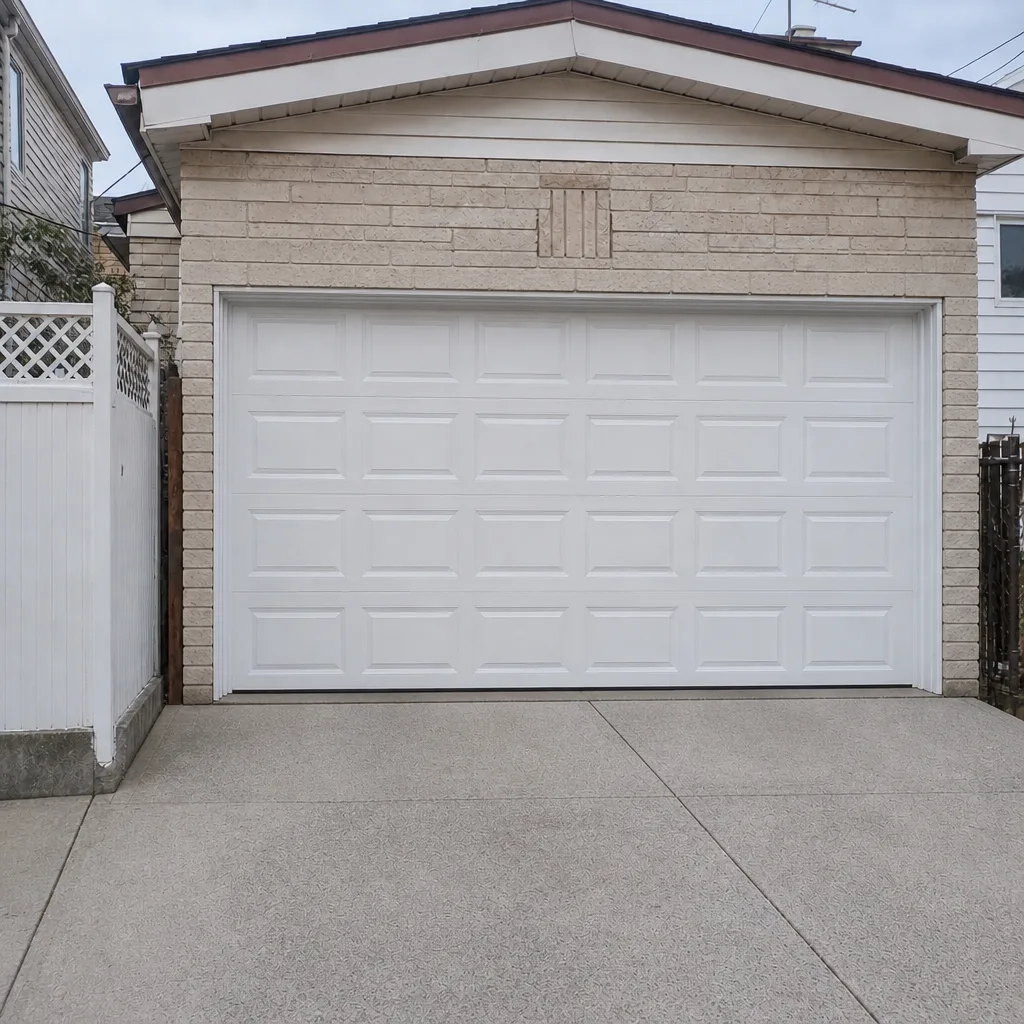 After
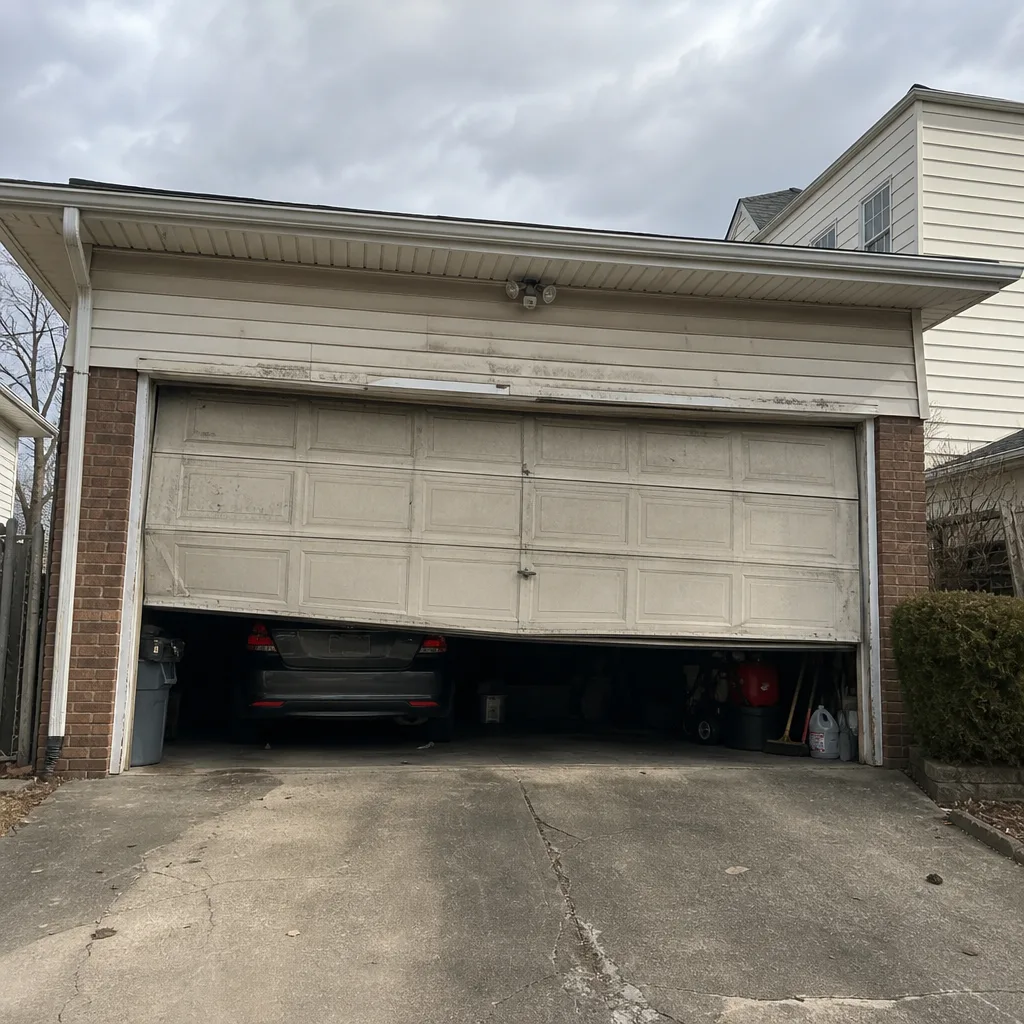 Before
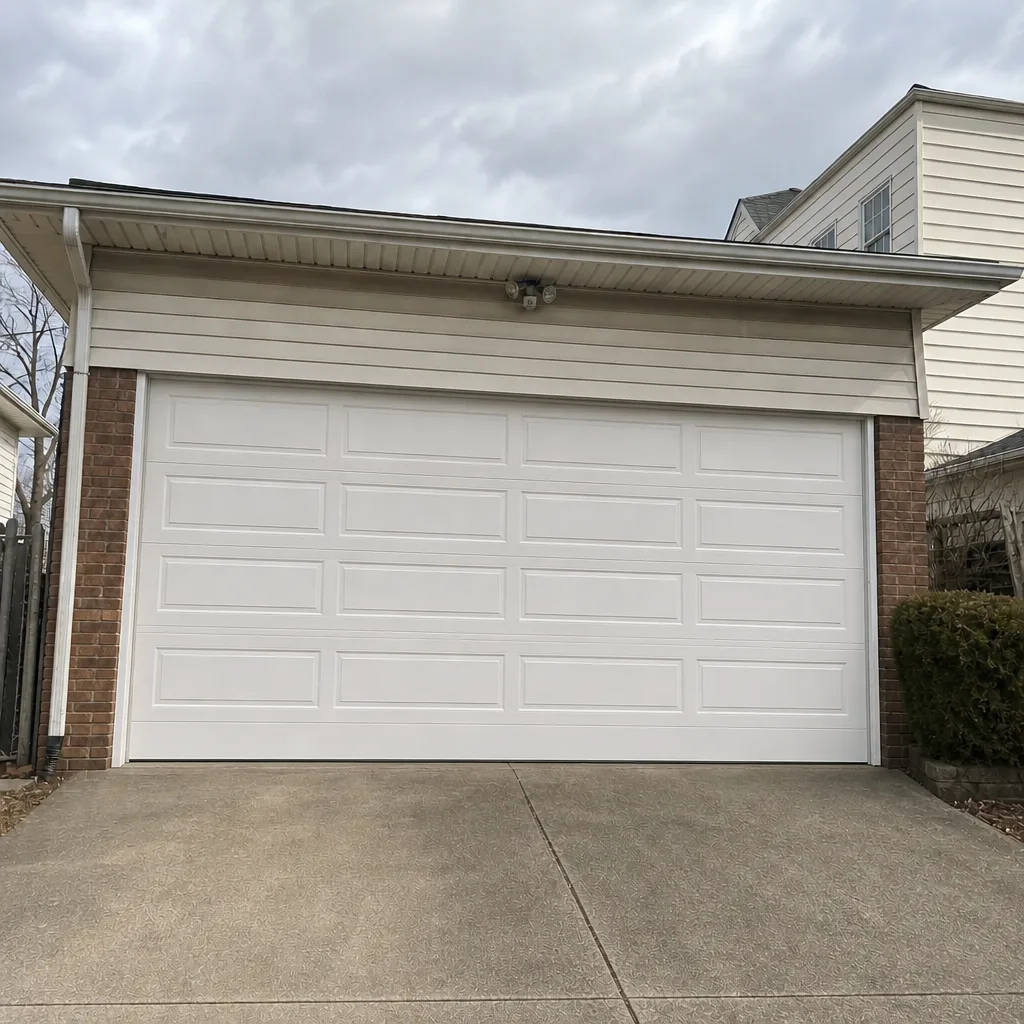 After
When to Call a Professional
Call us when the job crosses into the dangerous or the code-regulated. A broken torsion spring is a serious hazard: the spring stores a lot of energy and the wrong handling can injure you, so a trained technician should replace it. An opener that’s failing mid-cycle or a door that’s jumped the track is a job for someone who knows the mechanism, whether it’s a LiftMaster, a Chamberlain, or a Genie. And if you’re replacing the whole door, you need someone who can file the permit through DOB NOW and stand behind the install. Our technicians have up to 12 years of experience, we work on torsion and extension springs, and we handle replacement from filing to final inspection. Garage Door Repair Long Island City offers free estimates in Long Island City. Call (877) 549-7594. We answer 24/7. Fast dispatch from 7am to 7pm, Sunday through Friday. Same-day service is available for repairs.
Frequently Asked Questions
Yes, a full garage door replacement in Long Island City requires a permit under NYC Building Code Section 28-105, filed through DOB NOW as a minor alteration. Panel replacement, spring replacement, and opener replacement generally do not require a permit because they’re repairs. Call (877) 549-7594 for an exact quote on the job; estimates are free.
No, a standalone opener replacement in a typical residential garage does not need a permit in Long Island City. It’s a mechanical repair, not an alteration to the door or opening. If the opener is part of a larger alteration, it rides along with that filing.
Turnaround varies with DOB’s workload, so we don’t quote a fixed day count. Minor alteration filings for a door replacement typically move through plan review without a full examination, but Queens filings can queue. Ask your contractor to show you the current expected window before you pay for the filing.
It can. An unpermitted replacement can create a gap in the DOB record and complicate your certificate of occupancy, and the gap surfaces most often in a buyer’s title search. If the closing is approaching, pull the DOB record before the listing goes live. Call (877) 549-7594 if you need the underlying work quoted.
Yes, when the garage is a conditioned space. The NYC Energy Conservation Code treats the door as part of the building enclosure, so an insulated door with a documented R-value is required. Clopay and Amarr both publish spec sheets that carry the figure your filing needs. Call (877) 549-7594 for an exact quote on an insulated door.
The local pro we connect you with is licensed and insured as their state requires, and the price is quoted and agreed in writing before any work starts, so you know the number before the job begins. Our technicians have up to 12 years of experience and handle springs, openers, and full installations. Call (877) 549-7594 for a free estimate.
The Bottom Line
The permit line in Long Island City runs between repair and replacement. Panel, spring, and opener work stays in repair territory: no filing, no inspection, no CO impact. A full door replacement is an alteration under Section 28-105, and it needs a minor alteration filing in DOB NOW, an energy check if the garage is conditioned, and fire separation preserved if the garage shares a wall with living space. Skip the permit and the gap surfaces at closing. Get it right and the filing is the cheapest insurance you’ll ever buy for a door replacement in Long Island City.
If you’re planning a replacement in Long Island City and want the permit, the install, and the inspection handled in one place, we can walk you through it. Call (877) 549-7594 for a free estimate. We answer 24/7. Fast dispatch from 7am to 7pm, Sunday through Friday.
Written by the team at Garage Door Repair Long Island City.